A wetback is a water jacket inside a wood burner that heats your hot water cylinder while the fire is lit. In the Christchurch Clean Air Zone, low-emission burners become non-compliant 20 years after installation, so many wetbacks are reaching the end of their life with the burner. When the fire goes, the cylinder's electric element takes over, or you can switch to a heat pump or LPG system.
Wetbacks have been common in Canterbury because they turn winter heating into free hot water. Environment Canterbury's Clean Air rules now set an end date on many of the burners they are built into, which forces a hot water decision at the same time as a heating one.
This guide explains how a wetback works, what the burner rules mean for it, the warning signs of a wetback in trouble, and the options when the fire is replaced or removed.
How does a wetback hot water cylinder work?
A wetback is a small water jacket or coil in the firebox, piped to the hot water cylinder. As the fire burns, it heats the water in the jacket, which rises naturally to the cylinder while cooler water drops back down to the fire. Level, the BRANZ sustainable building site, says most wetbacks circulate water this way by thermosiphon, with jackets producing about 1.5 to 4 kW.
Because the system relies on hot water rising, the layout matters. Level recommends keeping the cylinder close to the burner, using large 25 mm pipes and following the manufacturer's minimum pipe gradient. The circuit between the jacket and the cylinder must be open vented for safety, and only copper pipe can be used.
A wetback only works while the fire is lit, so every wetback cylinder also needs another heat source. In most Christchurch homes that is an electric element in the same cylinder.
What happens to my wetback when my wood burner reaches its ECan expiry date?
The wetback stops with the burner. In the Christchurch Clean Air Zone, on sites under 2 hectares, existing low-emission burners can be used for up to 20 years from installation, and the same 20-year limit applies in Rangiora, Kaiapoi and Ashburton. Older-style burners have been banned from use in the Christchurch Clean Air Zone regardless of age since 2018.
Environment Canterbury's Solid Fuel Burner Database shows your burner's age and replacement date, and an approved secondary emission reduction device can extend the use of a low-emission burner. On sites under 2 hectares, only ultra-low emission burners can now be installed.
That leaves three paths. You can fit an approved ultra-low emission burner and ask the supplier whether a wetback is available for that model. You can remove the burner and let the cylinder run on its element. Or you can use the change as the moment to choose a new way of heating water altogether.
Why is my wetback boiling or banging?
Banging, rumbling or steam from a wetback usually means the water in the jacket is getting hotter than the circuit can carry away. That is a sign to let the fire die down and get the system checked, because a wetback with nowhere to send its heat can overheat quickly.
Common causes include:
- The cylinder is already fully hot and a big fire keeps adding heat
- Air trapped in the pipes is blocking the natural circulation
- Pipes are too small, too long or laid without enough fall, so hot water cannot rise freely
- Scale has built up inside the jacket or coil and narrowed the waterway
- The valve that tops up the open vented circuit has failed, so the jacket runs low on water
| What you notice | What to do now |
|---|---|
| Knocking or rumbling from the fire | Stop adding wood and let the fire burn down |
| Steam or water from the vent pipe on the roof | Let the fire burn down and call a plumber |
| Scalding hot water at the taps | Use cold water first and ask about a tempering valve |
| Hot water only when the fire is lit | Have the element and thermostat checked |
Burner coming out this year?
Cheeky's Plumbers makes the wetback safe, checks your cylinder and quotes the hot water options, with the price agreed before work starts.
What heats my water if I remove the wood burner?
The cylinder's electric element does, as long as it is working. Many wetback households rarely rely on the element through winter, so the first job is to check that the element and thermostat actually heat the cylinder on their own. Our hot water repairs team tests both.
Removing the burner is also a good time to look at the whole system. A wetback cylinder may be an older low pressure unit, placed to suit the fire rather than the taps. Your realistic options are:
- Keep the existing cylinder on its element, with the wetback circuit properly drained and capped
- Fit a new mains pressure electric cylinder sized for the household
- Fit a heat pump water heater, which uses much less electricity than an element for the same hot water
- Fit LPG continuous flow or storage hot water, which suits homes already using LPG
Can a wetback be connected to a heat pump or mains pressure cylinder?
Sometimes, but it is a design job rather than a swap. The wetback circuit has to stay open vented, so a mains pressure cylinder needs to be one made to take a wetback, with the fire's heat passed through a separate circuit. Level notes that storage cylinders designed for wetbacks are available, and that some systems use pulse valves or a pump to let the cylinder sit further from the burner.
Since November 2023, the Building Code acceptable solution G12/AS1 has cited NZS 4603 Part 4 for designing and installing wetback water heating, and installing a wetback needs a building consent and a registered or certifying plumber. Most heat pump water heaters are sold as a stand-alone system, so check the manufacturer's instructions before planning to combine one with a fire.
Wetback water can run very hot. The Building Code limits the temperature delivered to fixtures used for personal hygiene, and a tempering valve on the hot supply is how most homes meet that limit. For a new system, see our pages on hot water cylinder replacement and heat pump hot water.
When should you call a plumber about a wetback?
Call a plumber straight away if the wetback is boiling, steaming or banging, and book a check before the burner's replacement date if you are planning the change. The plumbing side is best sorted before the old burner comes out, so you are not left with cold water while you wait for an installer.
Cheeky's Plumbers checks wetback circuits, drains and caps them when a burner is removed, and fits replacement cylinders, heat pump water heaters and LPG systems. The 20-year rule applies in Rangiora and Kaiapoi as well as the city, so see our plumbers in Rangiora and plumbers in Kaiapoi pages, or book online for a time that suits.
Frequently Asked Questions
Can I keep using my wetback past the burner's expiry date?
Not with that burner, unless an approved secondary emission reduction device has extended its use. Environment Canterbury's Solid Fuel Burner Database shows the replacement date. Once the burner cannot be used, the wetback has no heat source and the cylinder must rely on its other heating.
Does a disconnected wetback need to be removed?
The jacket goes with the burner, but the pipes to the cylinder should be properly drained and capped by a plumber. Open pipe ends or a half-full circuit left behind can leak or let air into the cylinder. Any unused cylinder connections should be sealed at the same time.
Is a wetback worth fitting to a new ultra-low emission burner?
It can be in a home that runs the fire most winter evenings, because Level notes wetbacks make their biggest contribution in cold climates. It adds cost, needs consent and must suit the cylinder. In a home where the fire is lit only occasionally, the payback is weak.
Who do I call about my burner's compliance?
Environment Canterbury handles the Clean Air rules and can be reached on 0800 324 636. A plumber deals with the water side: the wetback circuit, the cylinder and the replacement hot water system. It helps to talk to both before the burner comes out.
Why does my wetback only make lukewarm water?
A small or smouldering fire gives little heat to the jacket, and long or narrow pipes lose the circulation. Scale in the jacket and air in the pipes reduce it further. If big fires still give lukewarm water, get the circuit checked before winter rather than adding more wood.
Our Services
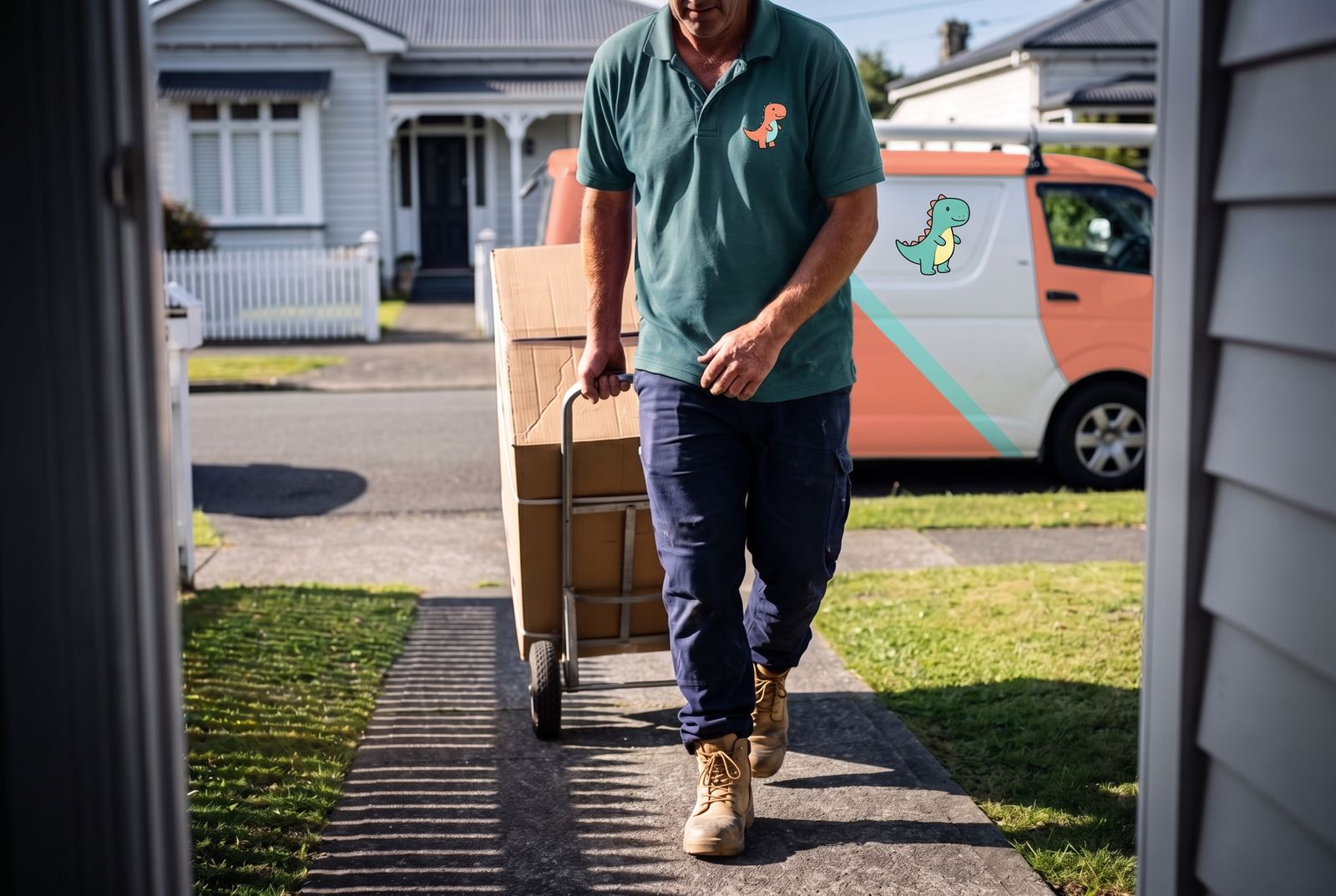
Hot Water Cylinders
Hot water cylinder replacement across Christchurch.
View service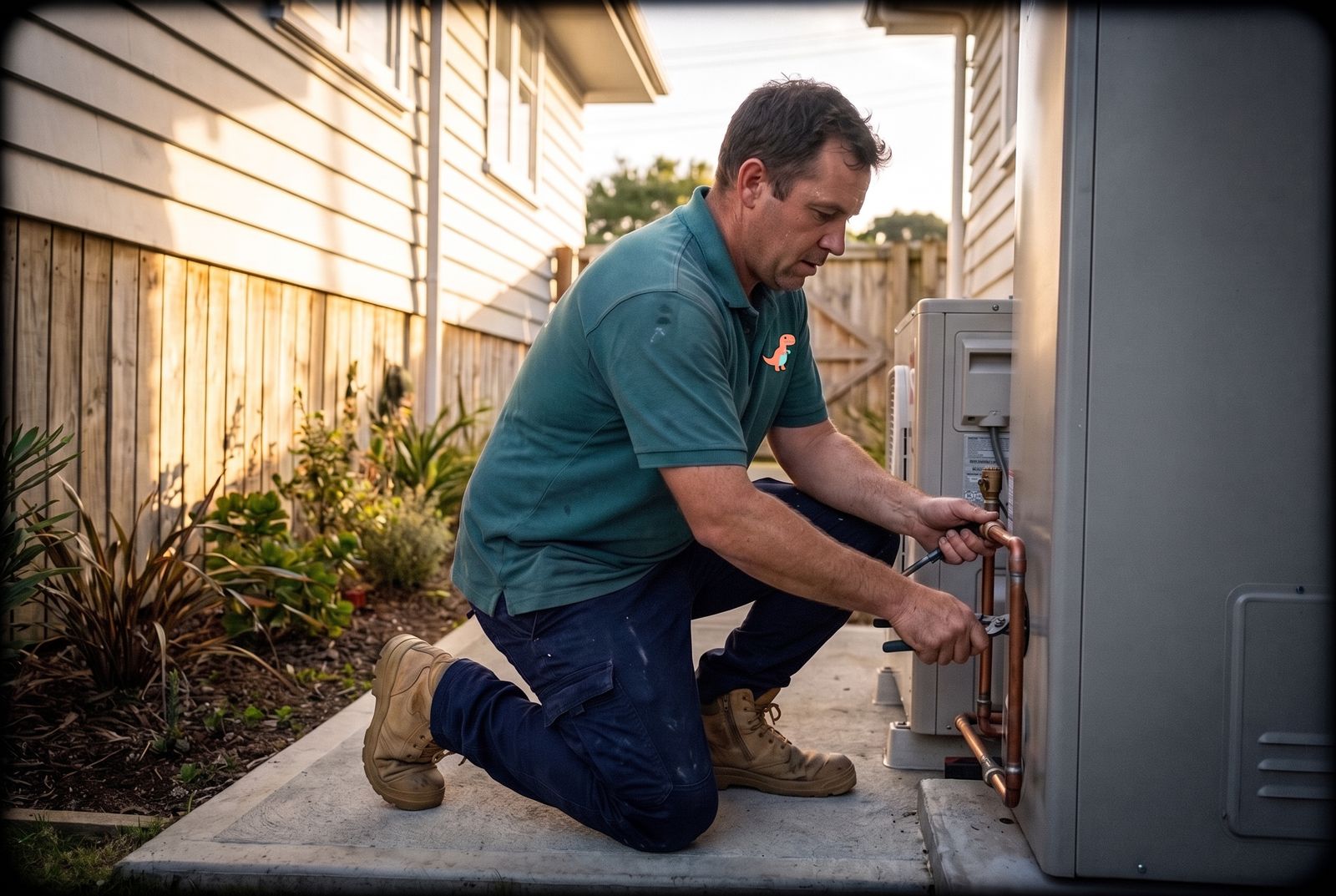
Heat Pump Hot Water
Heat pump hot water systems use up to 70 percent less power than a standard electric cylinder.
View serviceTempering Valves
Tempering valves and thermostatic mixing valves tested, adjusted and replaced, so bathroom taps stay below scalding point while your cylinder stays hot enough to control Legionella.
View serviceRead Next
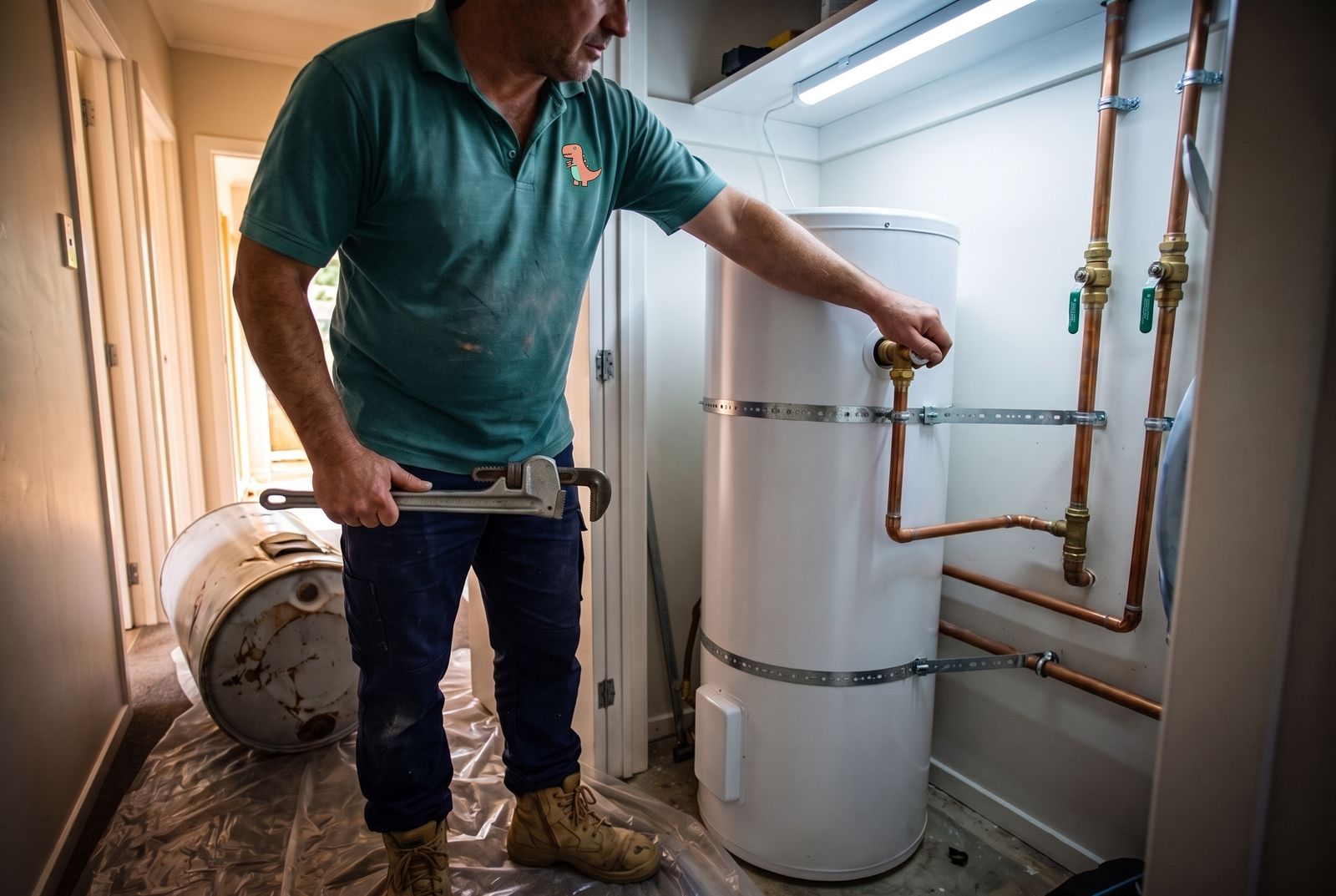
Best Hot Water System in Christchurch: Heat Pump, LPG or Electric?
There is no single best system. A heat pump water heater uses the least electricity, but works harder on frosty...
Read article
Pipe Lagging and Hot Water Cylinder Wraps for Canterbury Winters
A hot water cylinder wrap is worth it on an electric cylinder installed before 2002, or on any cylinder that feels warm...
Read article
How Long Does a 45kg LPG Bottle Last in a Christchurch Home?
For a family of four using LPG for cooking and hot water, one LPG supplier's New Zealand guide estimates a 45kg bottle...
Read articleSources
More plumbing advice from the Cheeky's Plumbers team.
