
A hot water cylinder wrap is worth it on an electric cylinder installed before 2002, or on any cylinder that feels warm to the touch. Newer electric cylinders already carry factory insulation, so lagging the pipes usually gives more value. Start with the first two metres of hot pipe from the cylinder, then any pipe outside, in the garage, in the roof space or under the floor.
Insulating a cylinder and its pipes does two separate jobs in Canterbury. It cuts the heat your cylinder loses all day, every day, and it gives exposed pipes some protection on the region's frosty nights. The two jobs point at slightly different pipes, so it pays to know which problem you are solving.
This guide covers which cylinders benefit from a wrap, where to lag first, how to do the work safely under the house and in the roof, and what lagging cannot do.
Is it worth wrapping a hot water cylinder?
It is worth it on older electric cylinders. Level, the BRANZ sustainable building site, says cylinders installed before 2002, and any cylinder that is warm to the touch, would benefit from an added wrap. Electric cylinders installed since 2002 have had to meet a higher insulation grade from the factory.
The test is simple: put your hand flat on the side of the cylinder. If it feels warm, heat is leaving through the casing around the clock, and the cylinder heats more water to make up for it. A cylinder in a cold garage or outside cupboard loses more than one in a warm hallway cupboard.
There is one firm exception. A gas storage cylinder has a flue running up through the middle where the burner heats the water, and Building Performance advice is that these cannot be fully insulated like an electric one. Do not add a wrap to an LPG storage cylinder unless the manufacturer allows it; lag its pipes instead. If your old cylinder is also leaking, scaling up or slow to reheat, a wrap is money spent on the wrong fix, and hot water cylinder replacement may be the better conversation.
Which pipes should be lagged first?
Lag the first two metres of hot pipe leaving the cylinder first, because that is where heat loss is constant. For new building work, NZS 4305 already requires insulation on that first two metres, on the vent pipe near the cylinder and on pipes outside the insulated part of the house. Many older Canterbury homes were plumbed before those rules, and Building Performance notes that pipes from cylinders in older houses are often not insulated at all.
For frost protection, Master Plumbers points to pipes outside, in garages, in roof spaces and under floors. Use the table to rank the work on your own property.
| Pipe location | Main reason to lag | Priority |
|---|---|---|
| First 2 m of hot pipe from the cylinder | Constant heat loss | First |
| Pipes on outside walls and outdoor taps | Frost | First in frost-prone spots |
| Pipes under a suspended timber floor | Frost and heat loss on hot runs | High |
| Pipes in the roof space above the ceiling insulation | Frost and heat loss | High |
| Pipes in an unheated garage | Frost | Medium to high |
| Cold pipes inside heated rooms | Little benefit | Low |
Do modern cylinders still need a wrap?
Usually not. A cylinder installed in the last couple of decades already has a thick layer of factory insulation, so an extra wrap adds only a small gain. Building Performance says even modern cylinders can benefit from extra insulation, but on a newer cylinder the pipework is normally the bigger loss.
Two things decide it. The first is location: a modern cylinder in an outside cupboard on a frosty site loses more than the same cylinder indoors. The second is condition. A newer cylinder that feels warm, drips from the relief valve or runs out of hot water early is telling you something a wrap will not fix. Annual hot water servicing checks the valves, the element and the thermostat, which is where many of those problems start.
Want the cold runs sorted before next winter?
Cheeky's Plumbers checks your cylinder, lags the exposed pipes and fixes any leaks we find, with the price agreed first.
How do I lag pipes under the house and in the roof space?
Use foam pipe insulation that matches the pipe size, slit it, close it around the pipe and tape the joins. BRANZ guidance is to check that the inner diameter of the insulation matches the pipe, and a council guide on frost damage suggests cutting the foam at 45 degrees to get around corners neatly.
Plan the job before you crawl in:
- Measure the pipe sizes first and buy a little more foam than the runs need
- Under the floor, work from the access hatch outwards and lag every exposed run, not just the easy ones
- In the roof space, stand only on the joists and wear a mask and long sleeves near ceiling insulation
- Keep relief valves, valve handles and the cylinder's electrical cover clear so they can still be reached
- Do not squash the foam or leave gaps at fittings, because a short bare section is where frost gets in
- Note any drip, green staining or corrosion you find and get it checked before you cover it
Will lagging stop pipes freezing?
Lagging lowers the risk but does not remove it. Insulation slows down heat loss; it does not add heat. On a typical Canterbury frost it can keep the water in a pipe above freezing until the morning warms up, but water sitting still in a very exposed pipe through a long, hard frost can still freeze.
Christchurch averages about 80 ground frost days a year, so the pipes that freeze tend to be the same ones every winter. If lagging has not solved it, the next step is moving the pipe into a warmer route, boxing it in, or fitting an isolating valve so an outdoor tap can be drained before winter. Our post on frozen pipes covers thawing safely, and any pipe that has already split needs a burst pipe repair before it is lagged.
When should you call a plumber instead?
Call a plumber when the pipe you want to lag is hidden in a wall, when you find a leak or corrosion, when the cylinder itself is the problem, or when you cannot get safe access. Lagging over a slow leak only hides it, and the first sign may then be a stained ceiling or a rotting floor.
Cheeky's Plumbers can lag exposed runs while we are on site for a hot water or frost job, and can reroute pipes that freeze every year. We work on the full range of homes, from older houses in Riccarton and Fendalton with long runs under the floor to newer homes in Rolleston and Lincoln. See our pages for plumbers in Selwyn and Waimakariri and plumbers in West Christchurch, or book online for a time that suits.
Frequently Asked Questions
Can I wrap a heat pump water heater?
Heat pump water heaters are built as a matched system with their own insulation, and some have air paths that must stay clear. Follow the manufacturer's instructions rather than adding a wrap. Lagging the pipes between the tank and the house is still worthwhile on a frosty site.
Does the wrap need to cover the top of the cylinder?
Covering the top helps, because heat rises, but the valves, the relief valve outlet and the electrical cover must stay clear and accessible. Cut neat openings around them rather than covering them, and never block a vent or relief valve drain.
Should I lag the cold water pipes too?
Lag cold pipes where they can freeze: outside, under the floor, in the roof space and in the garage. Cold pipes inside the heated part of the house do not need it. Hot pipes are worth lagging everywhere you can reach them.
How long does foam pipe lagging last?
Foam in a dry subfloor or roof space lasts many years, but outdoor foam breaks down in sunlight. Check outdoor lagging each autumn, replace any that is crumbling or split, and protect it with tape or a cover if it sits in full sun.
Will a cylinder wrap make my power bill noticeably lower?
It helps most on an old cylinder that feels warm, in a cold location. On a modern, well insulated cylinder indoors the change is small. Lagging the first two metres of pipe is usually the cheaper win, so do both together if the cylinder is old.
Our Services
Hot Water Cylinders
Hot water cylinder replacement across Christchurch.
View service
Hot Water Servicing
A quick service checks your valves, element and pressure so your cylinder lasts longer and stays safe.
View service
Burst Pipes
Burst pipes cause more water damage in Christchurch homes than almost anything else, from frozen pipes on a hard frost to older bungalows with galvanised steel or early polybutylene pipe.
View serviceRead Next
Frozen Pipes in Christchurch: How to Thaw Them and Stop Them Bursting
If a tap gives nothing on a frosty Christchurch morning, a pipe has probably frozen somewhere exposed: outside, under...
Read article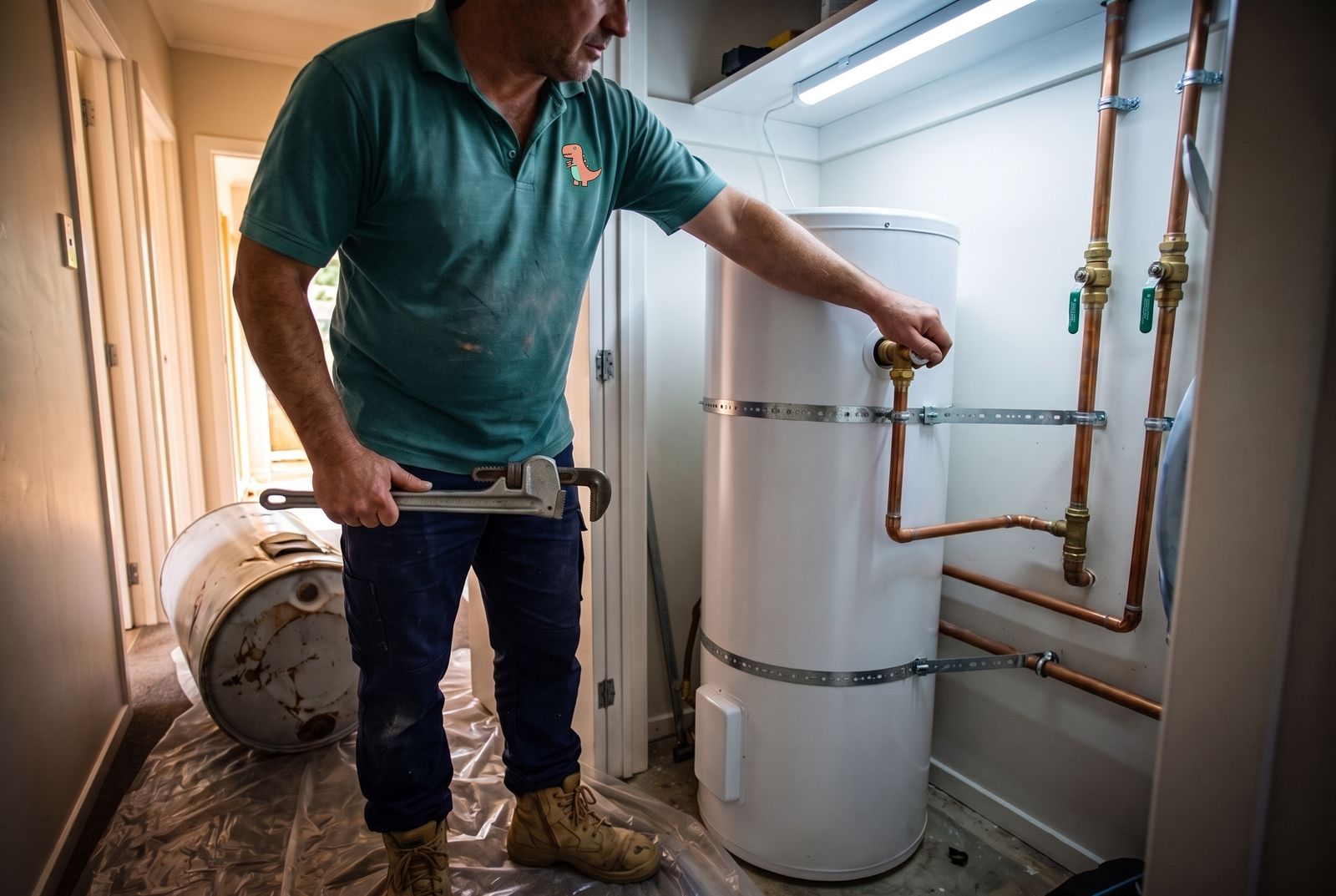
Best Hot Water System in Christchurch: Heat Pump, LPG or Electric?
There is no single best system. A heat pump water heater uses the least electricity, but works harder on frosty...
Read article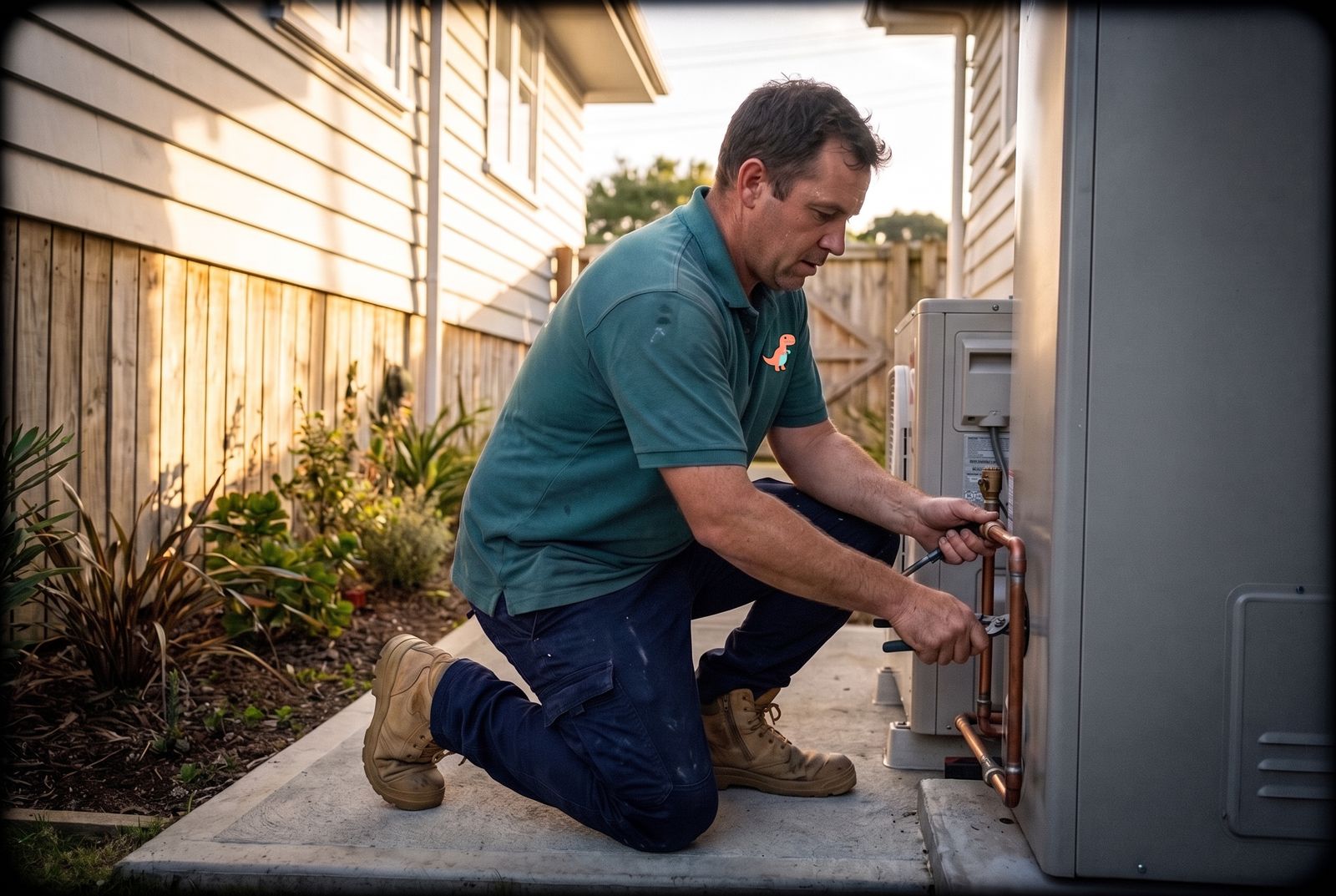
Wetbacks in Christchurch: Clean Air Rules and What Comes Next
A wetback is a water jacket inside a wood burner that heats your hot water cylinder while the fire is lit. In the...
Read articleSources
More plumbing advice from the Cheeky's Plumbers team.
