
If a tap gives nothing on a frosty Christchurch morning, a pipe has probably frozen somewhere exposed: outside, under the floor or in the roof space. Open the affected tap, warm the pipe gently with a hair dryer or warm cloths, and never use a flame. Most pipes thaw once the sun reaches them. If water appears where it should not, turn off the toby and call a plumber.
Christchurch gets about 80 ground frost days a year, and on an average year the airport records around 50 nights below 0°C. That makes frozen pipes a real local problem rather than a rare one, especially in homes with copper pipes running along outside walls or through cold, open subfloors.
This guide explains when pipes freeze, how to thaw them without damage, whether they will burst, what the council has said about running taps, and what a freeze can do to your hot water cylinder.
What temperature do pipes freeze at?
Water freezes at 0°C, but a pipe usually only freezes when the air around it stays below zero long enough to draw the heat out of the water inside. A short, light frost rarely does it. A clear, still night that drops well below zero and stays there until morning is the classic setup.
Exposure matters more than the forecast number. A pipe on a south-facing outside wall, in an unheated garage or under a draughty suspended floor sits in the coldest air on the property, and it gets no help from the sun until late in the morning. Water that is not moving freezes sooner than water that is.
Christchurch has seen how cold it can get. The record low for the city is minus 9.4°C, set at Wigram in July 1945, and the city recorded minus 4.6°C in July 2026. Homes in flat western and northern suburbs such as Avonhead and Bishopdale sit near the airport, where frosty nights are far more common than in the city centre.
What should I do if my pipes are frozen?
First work out which taps have stopped. If only one outside tap or one bathroom is dry, the frozen section is on that branch. If nothing in the house runs, the freeze is probably on the supply pipe between the toby and the house.
Then thaw it slowly and in the right order:
- Open the tap the frozen pipe feeds, so melting water and pressure have somewhere to go
- Find the coldest exposed run: outside walls, under the floor, in the garage or the roof space
- Warm the pipe from the tap end back towards the frozen section with a hair dryer, warm towels or a hot water bottle
- Never use a gas torch, heat gun or open flame on any pipe, and keep electrical heaters away from water
- Know where your toby is before you start, in case the pipe has already split
- Once water flows, check the run you heated for drips or a fine spray
How long do frozen pipes take to thaw?
Most frozen pipes thaw on their own within a few hours of the sun reaching them, and gentle heat can speed that up to well under an hour for a short exposed section. A pipe buried in a cold subfloor or a shaded corner of the roof space can take most of the day.
During the July 2015 cold snap, when temperatures dropped to minus 5, Christchurch City Council received more than 100 calls about frozen pipes and advised people to run the cold tap for up to an hour to help them thaw. That advice is about getting slow-moving water to carry the thaw along the pipe once a trickle has started, not about leaving taps on all night.
If gentle heat has had no effect after an hour, or you cannot find or reach the frozen section, stop. Repeated heating of the wrong part of the pipe wastes time, and a plumber can trace the cold section quickly.
Pipe frozen or leaking after the thaw?
Cheeky's Plumbers finds the cold section, checks it for splits and repairs it, with the price agreed before any work starts.
Do frozen pipes always burst?
No. Many frozen pipes thaw with no damage at all. The risk is that ice expands as it forms, and Master Plumbers warns that this can split pipes, fittings and even hot water cylinders. A pipe can freeze several times without trouble and then fail on the next cold night.
A burst often only shows itself once the ice melts, because the ice was plugging the split. That is why the thaw is the moment to watch closely. Signs to look for are listed below, and our guide to burst pipe repairs explains what happens next.
| Where the pipe runs | Why it freezes | What to check after a thaw |
|---|---|---|
| Outside wall or outdoor tap | Full exposure, no sun until late morning | Drips at the tap body and the first fitting |
| Open subfloor | Cold air moves freely under the house | Wet ground or a hissing sound under the floor |
| Garage or carport | Unheated, often unlined | Damp patches on walls or the slab |
| Roof space | Above the ceiling insulation, so no house heat | Ceiling stains, sagging plaster or dripping light fittings |
Should I leave a tap running on frosty nights?
Usually not. A tap left running all night uses a lot of water, and in most Christchurch homes it is not needed once the exposed pipes are lagged. Lagging is the better long-term fix, and it is covered in detail in our separate guide to pipe lagging and cylinder wraps.
Running water also has a cost. Christchurch households pay extra for water use above a daily allowance, and Selwyn households on council supplies pay for every cubic metre, so a tap left on through a week of frosts can show up on the bill. If you do leave a trickle running as a one-night stopgap, choose the tap on the most exposed pipe and turn it off in the morning.
The council advice from 2015 to run the cold tap was about thawing pipes that had already frozen, which is a different job from preventing a freeze in the first place.
Can a frozen pipe damage my hot water cylinder?
It can. Master Plumbers lists hot water cylinders among the things freezing can split, and the pipes and valves on top of a cylinder in an unheated garage or outside cupboard are the most exposed. Outdoor cylinders and heat pump water heaters have their own pipework and valves in the open air.
Watch for these signs after a hard frost, and arrange hot water repairs if any of them appear:
- No hot water, or only a weak flow, while the cold taps run normally
- Water dripping from the relief valve drain or the cylinder tray
- A cylinder that is cold to the touch hours after the power should have heated it
- Water pooling under an outdoor unit or its valve kit
When should you call a plumber about frozen pipes?
Call a plumber if water is escaping anywhere, if nothing runs and you cannot find the frozen section, or if the cylinder shows any of the signs above. Turn the water off at the toby first. Remember that the pipe from your boundary into the house is the owner's to maintain, so a split on your side of the boundary is a private repair.
Cheeky's Plumbers works across the city and the surrounding districts, from early 1900s homes in Spreydon and Beckenham to newer houses in Wigram and Halswell. If you live in the west, see our page for plumbers in West Christchurch; for Bishopdale, Papanui and Redwood, see plumbers in North Christchurch.
If water is coming through a ceiling at night, our emergency plumber team answers around the clock. For anything less urgent, you can book online and choose a time that suits.
Frequently Asked Questions
Will my insurance cover a pipe that burst from frost?
Many home policies cover sudden water damage from a burst pipe, but terms vary and some exclude pipes that were not maintained. Ring your insurer before major repairs, take photos of the damage, and keep the plumber's invoice showing what failed and where.
Can the water toby freeze?
The connection box is usually at ground level and protected by soil, so it is less exposed than pipes on walls. The riser where the supply pipe comes up beside the house is more likely to freeze. Christchurch City Council owns the box and meter, so report a problem inside the box to the council.
Is it safe to pour boiling water over a frozen pipe?
It is not a good idea. A sudden temperature change can crack fittings, and boiling water can scald you when you are working in a tight space. Warm towels or a hair dryer on a low setting thaw the pipe more evenly and with less risk.
Why do the same pipes freeze every winter?
Because their position has not changed. A pipe on a shaded wall or in an open subfloor will freeze on the same kind of night each year. Lagging it, boxing it in or rerouting it inside the insulated part of the house is the permanent fix.
Should I turn off my water when I go away in winter?
Turning the water off at the toby limits the damage if a pipe splits while the house is empty. If your cylinder is electric, ask a plumber whether it should stay on, because switching it off with the water isolated is not right for every system.
Our Services
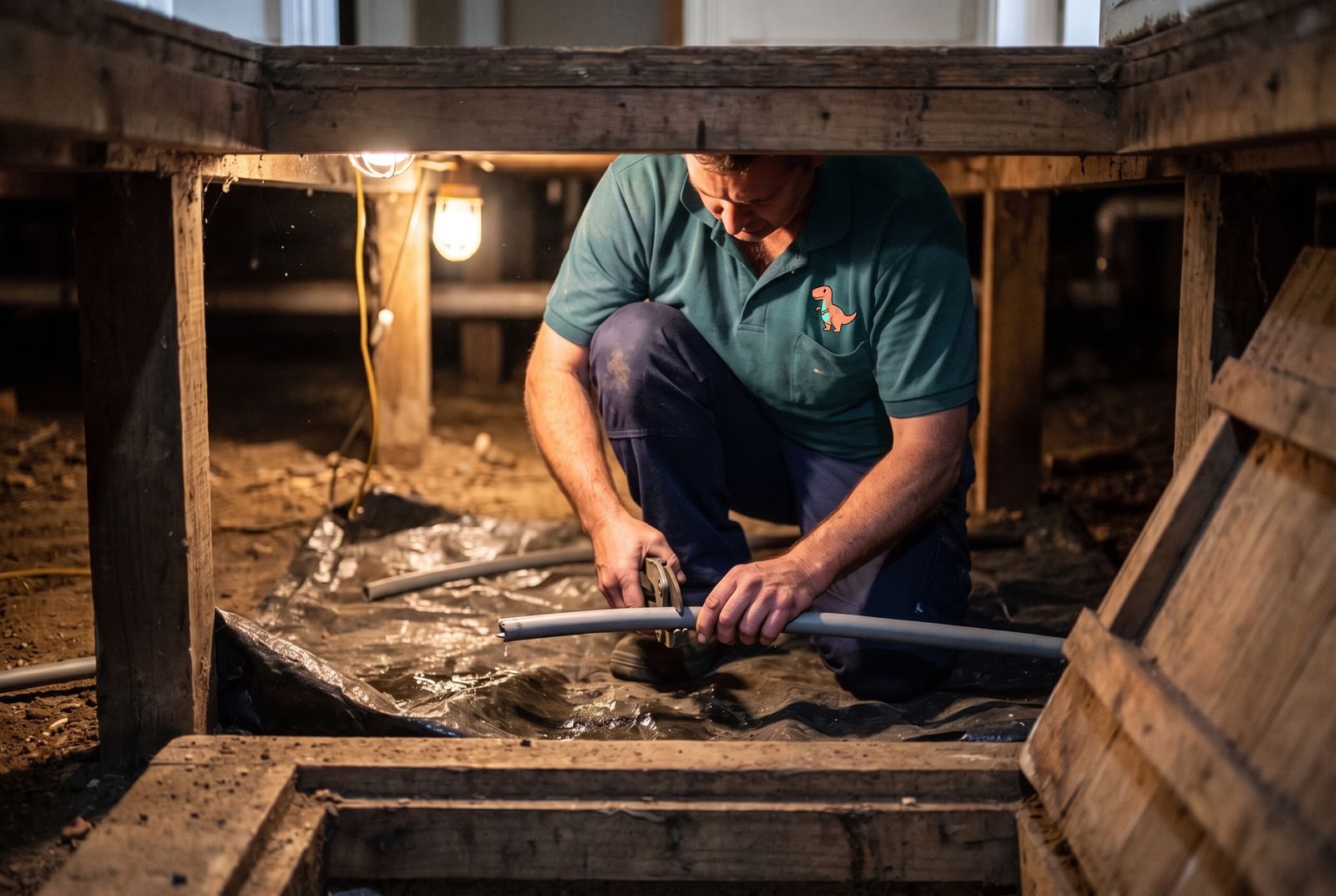
Burst Pipes
Burst pipes cause more water damage in Christchurch homes than almost anything else, from frozen pipes on a hard frost to older bungalows with galvanised steel or early polybutylene pipe.
View service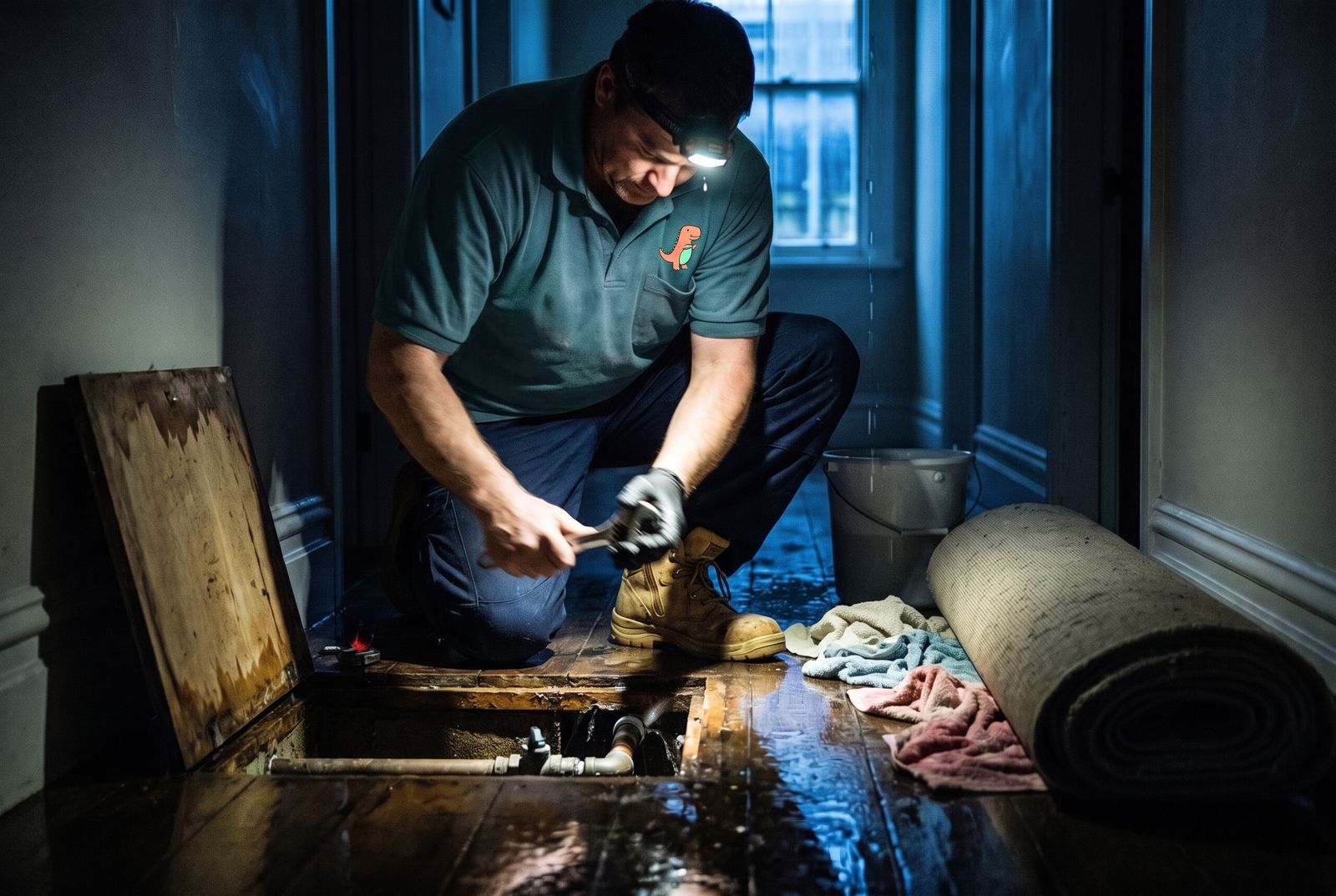
Emergency Plumber
Water through the ceiling at 2am does not wait for business hours, and neither do we.
View service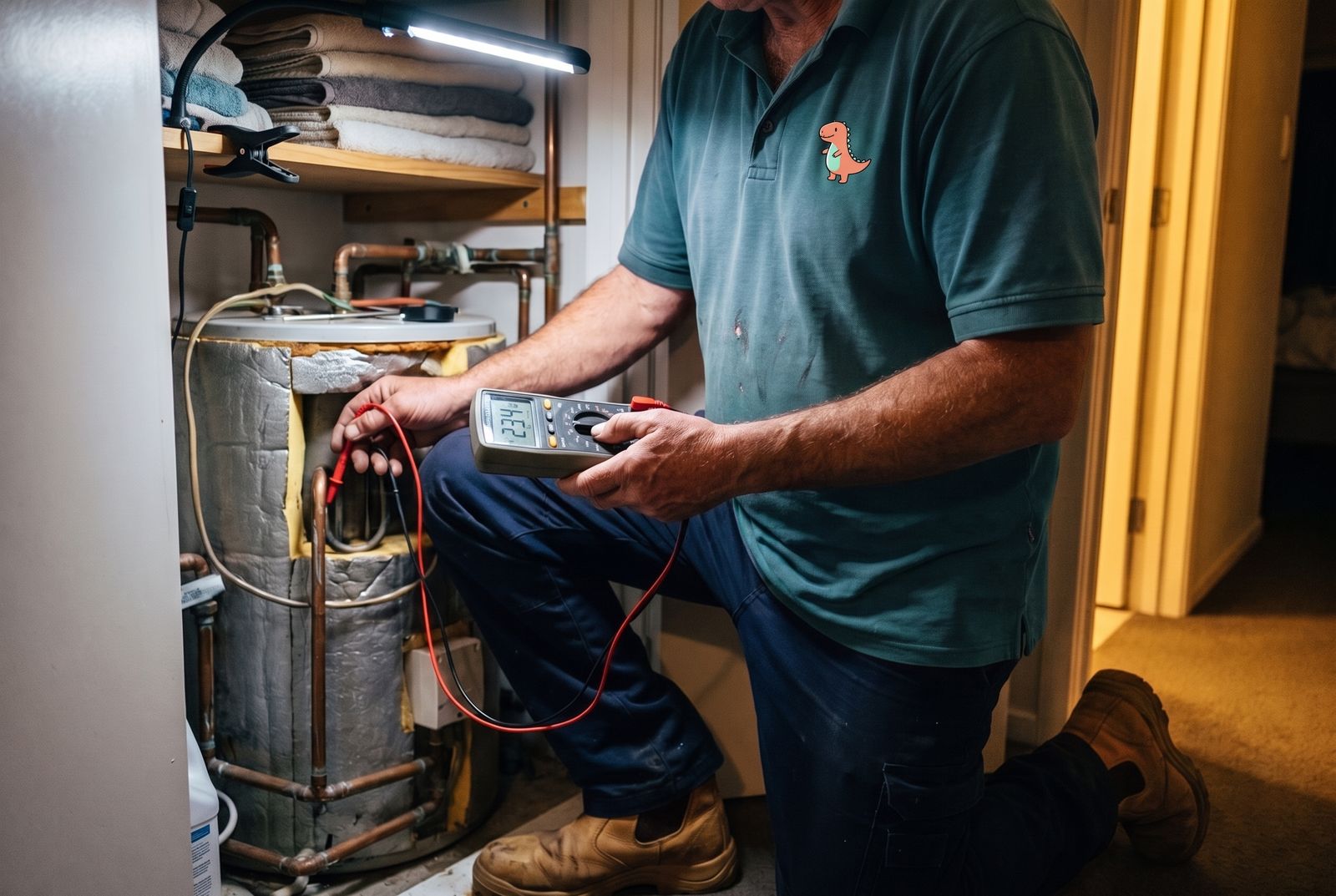
Hot Water Cylinder Repairs
No hot water, not enough hot water, or water that is too hot?
View serviceRead Next
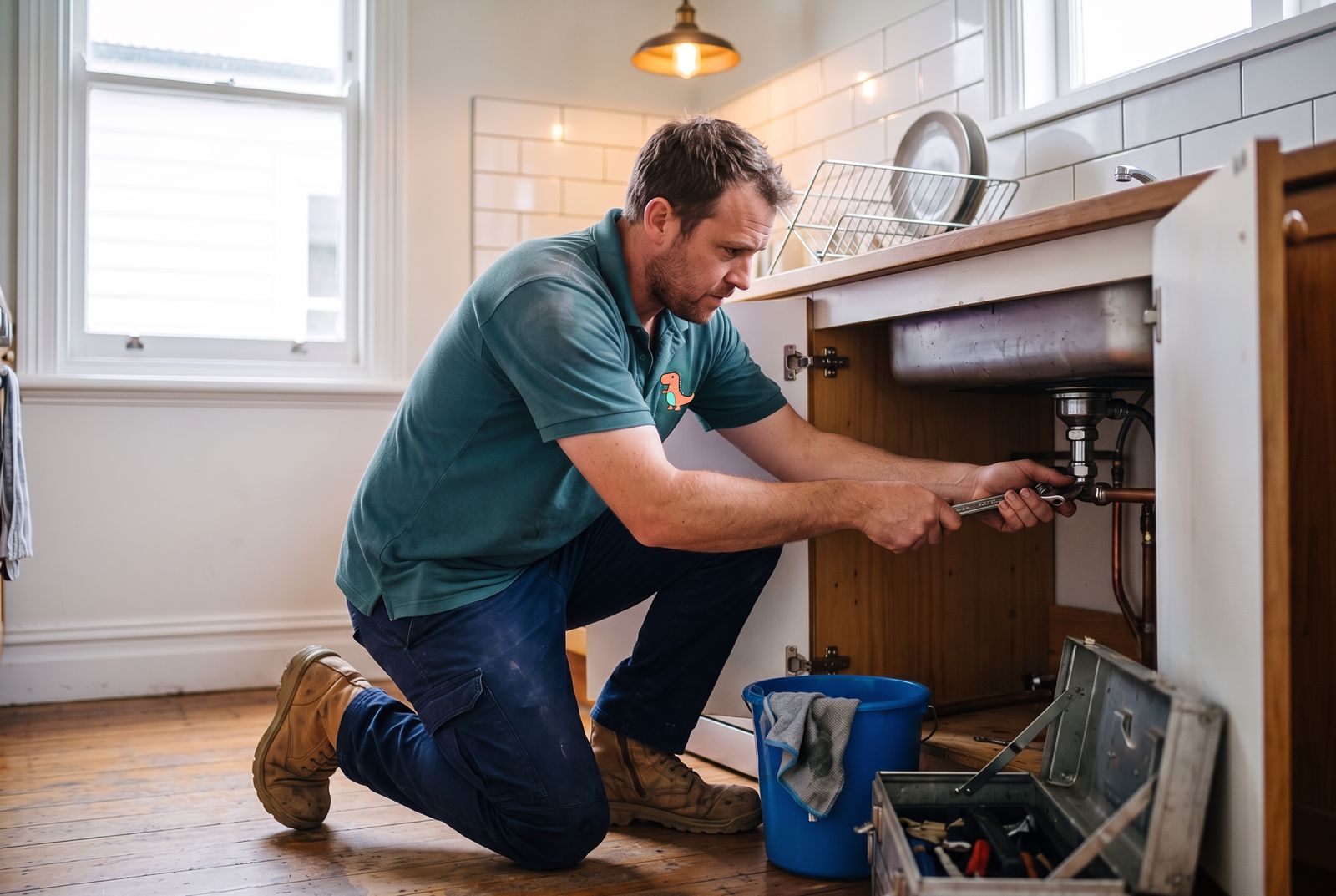
Pipe Lagging and Hot Water Cylinder Wraps for Canterbury Winters
A hot water cylinder wrap is worth it on an electric cylinder installed before 2002, or on any cylinder that feels warm...
Read article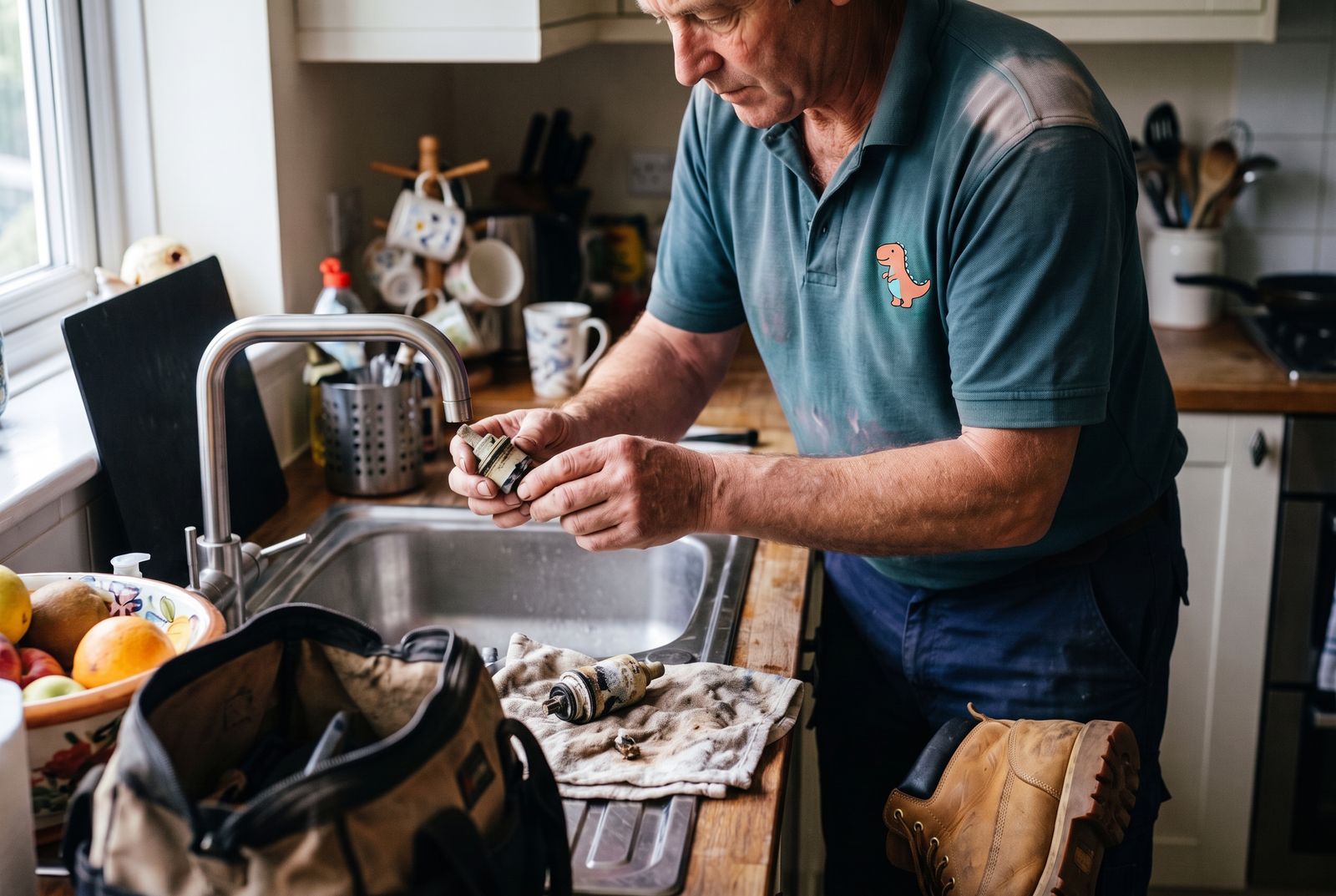
Christchurch Excess Water Charge: Find the Leak Before the Bill Does
Christchurch households pay an extra charge only when their average daily water use goes over the council's allowance,...
Read article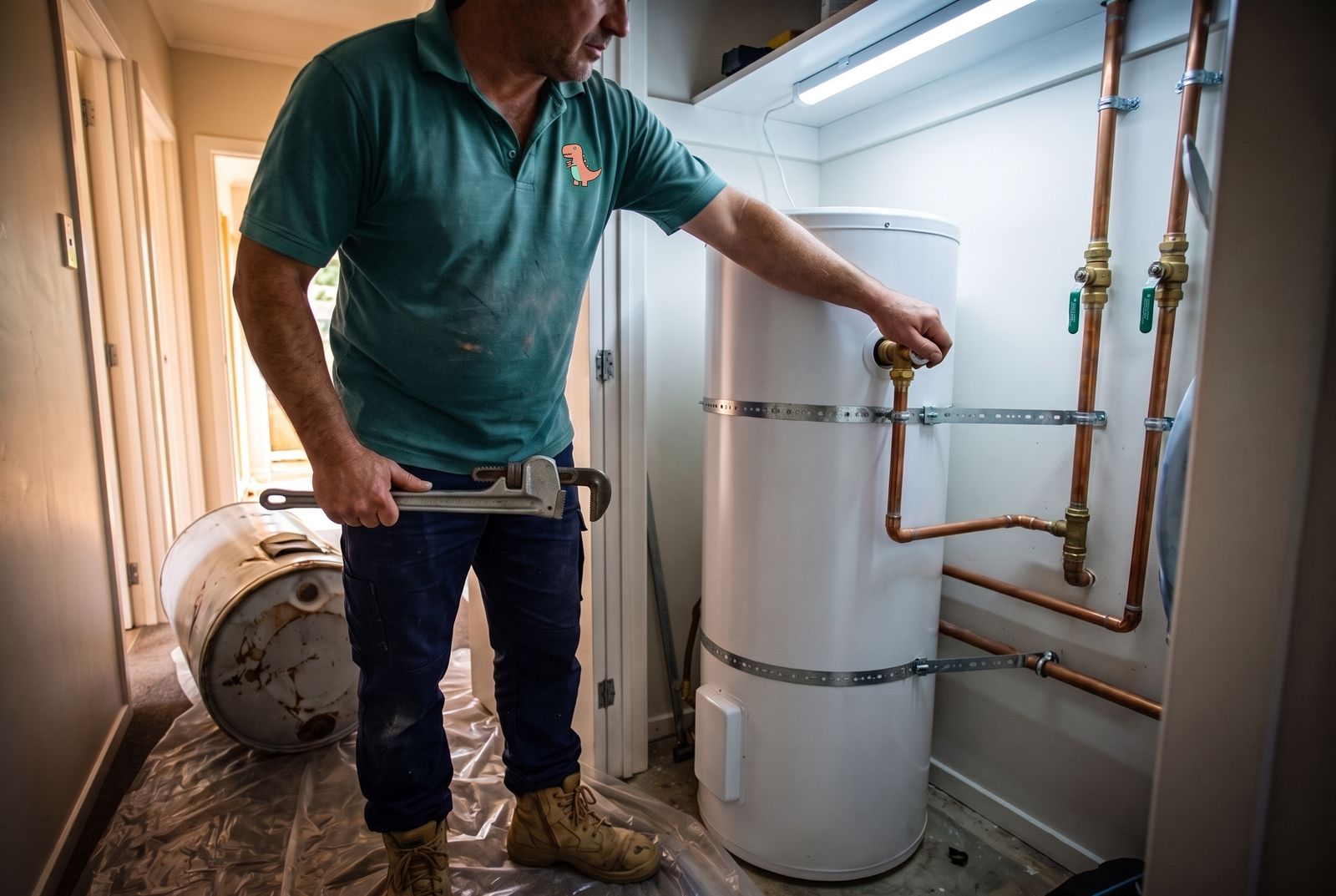
Best Hot Water System in Christchurch: Heat Pump, LPG or Electric?
There is no single best system. A heat pump water heater uses the least electricity, but works harder on frosty...
Read articleSources
More plumbing advice from the Cheeky's Plumbers team.
