There is no single best system. A heat pump water heater uses the least electricity, but works harder on frosty Christchurch mornings and costs the most to install. LPG continuous flow suits homes already on LPG and never runs out. A standard electric cylinder is the cheapest to fit and handles ripple control well if it is sized properly. Your hot water use and your existing supply decide it.
Christchurch adds three local twists to the usual hot water decision. Winters are frosty, gas means LPG rather than a mains network, and Orion can switch cylinders off at peak times on cold winter mornings and evenings.
This guide compares the three main options against those conditions, shows how to compare running costs from your own bills, and explains how to size a system for a family of four.
Do hot water heat pumps work on frosty Christchurch mornings?
Yes, but they work less efficiently as the air gets colder. A heat pump water heater pulls heat out of the outdoor air, so on a frosty morning there is less heat to collect, the unit runs longer and some models switch to a backup electric element. Christchurch averages about 80 ground frost days a year, so this is a real consideration rather than an edge case.
Check two things before you buy. The first is the model's minimum operating temperature and how it handles frost, in the manufacturer's New Zealand specifications. The second is independent data. New Zealand has no mandated energy efficiency testing for these products, so efficiency figures come from manufacturers, and EECA is monitoring heat pump water heaters in homes across three New Zealand climate zones to see how they actually perform.
Placement helps too. A unit on a sheltered, sunny wall works better than one in a cold shaded corner. Our heat pump hot water page covers models and placement in more detail.
Is LPG hot water cheaper than an electric cylinder?
It depends on your LPG price and your electricity tariff, and you can work it out from your own bills. There is no fixed answer, because both prices change and vary by supplier and plan.
Use energy units to compare like with like. A full 45kg LPG bottle holds about 2,200 MJ, according to one supplier's published figures, and one kilowatt hour of electricity is 3.6 MJ. Follow these steps:
- Divide your price for a 45kg bottle by 2,200 to get your cost per MJ of LPG
- Divide your electricity price per kWh by 3.6 to get your cost per MJ of electricity
- Remember that an electric cylinder also loses some heat while it stores water
- Remember that a heat pump water heater delivers several units of heat for each unit of electricity
- Add any bottle rental or fixed charges to the LPG side
What is ripple control and does it affect my hot water?
Ripple control is a signal sent through the power lines that lets the lines company switch electric cylinders off for a period at busy times. Orion, which runs the network for Christchurch, Selwyn and Banks Peninsula, can use ripple control of hot water cylinders, and its network rush hours are very cold winter mornings and evenings.
For most households the effect is invisible, because the cylinder is already full of hot water when the signal arrives and simply reheats later. It shows up when a cylinder is too small for the household, or when the morning rush of showers happens during a control period. A correctly sized cylinder rides through it.
North of the Waimakariri River, in Rangiora, Kaiapoi and Pegasus, the lines company is MainPower rather than Orion, so check with your power retailer how your hot water is controlled.
Weighing up a new hot water system?
Cheeky's Plumbers looks at your household, your supply and your cylinder spot, and quotes heat pump, LPG and electric options side by side.
Can I go from a wetback to a heat pump cylinder?
Yes. The natural time to do it is when the wood burner reaches its Environment Canterbury replacement date. The wetback circuit is drained and capped, and the old cylinder is replaced with a heat pump water heater or a new cylinder.
It is worth planning before the burner comes out, because the wetback cylinder may be in a spot chosen for the fire rather than for the new system. Our guide to wetbacks in Christchurch explains the Clean Air rules and the options in detail.
What size system suits a family of four?
Level, the BRANZ sustainable building site, puts typical hot water use at 40 to 60 litres per person per day, which works out at roughly 160 to 240 litres a day for a family of four. A storage system has to cover the household's peak demand, not just the daily total, so a family that showers back to back before school needs more stored hot water than one that spreads use through the day.
Continuous flow is sized differently, by litres per minute. A larger unit can run two showers at once; a smaller one may struggle when the kitchen tap and a shower run together. For a cylinder, including a replacement for an old electric one, the right size comes from your routine. Our hot water cylinder replacement page explains the options we fit.
How do the three systems compare?
Each system wins on something different. The table sums up the trade-offs for a Christchurch home.
One practical point sits outside the table. The simplest change is usually the one that reuses what you already have: a new electric cylinder on the existing circuit, or LPG where the bottles and gas pipe are already in place. Switching system type adds pipework, electrical or gas work to the job.
| Heat pump water heater | LPG continuous flow | Electric cylinder | |
|---|---|---|---|
| Upfront cost | Usually the highest | In between | Usually the lowest |
| Running energy | Least electricity | Depends on LPG price | Most electricity |
| Frosty mornings | Less efficient, may use backup element | Not affected by air temperature | Not affected |
| Ripple control | Depends on how it is wired | Not affected | Rides through if sized well |
| Runs out of hot water? | Yes, if undersized | No, while gas lasts | Yes, if undersized |
| Space needed | Tank plus outdoor unit or room for airflow | Small wall unit outside | Cylinder cupboard |
Which system should you choose, and who can help?
Choose a heat pump water heater if you want the lowest power use and can accept the higher install cost. Choose LPG continuous flow if you already cook or heat with LPG, or never want to run out mid-shower. Choose an electric cylinder if your budget is tight or your current setup works and only the cylinder is worn out.
Cheeky's Plumbers installs all three and will give you a fixed price before any work starts. We work across Christchurch, from older homes in Papanui and St Albans to new builds in Wigram and Rolleston. See our page on gas hot water if you are on LPG, our plumbers in North Christchurch page, or book online.
Frequently Asked Questions
Is solar hot water an option in Christchurch?
Solar water heating works anywhere with a sunny roof, and Christchurch is dry by New Zealand standards. It still needs a booster for cloudy spells and winter, usually an electric element. Compare it with a heat pump water heater, which does a similar job without roof collectors.
Can a hot water heat pump sit inside the garage?
Some models are designed to draw air from a garage or other large space, while others must be outside. Follow the manufacturer's installation instructions, because the unit needs enough air volume and somewhere for condensate water to drain.
Does LPG continuous flow need electricity?
Yes, a little. Continuous flow units use electricity for their controls and ignition, and many outdoor units use it for frost protection. In a power cut most units will not fire, so you lose hot water even with full bottles.
Will a heat pump water heater be noisy?
It has a fan and compressor, so it makes a similar sound to a small heat pump outdoor unit. Keep it away from bedroom windows and the neighbour's boundary, and check the noise rating in the specifications before choosing a spot.
How long does a new hot water system take to install?
Replacing a like-for-like electric cylinder is usually a single visit. Changing system type, such as going from a wetback cylinder to a heat pump or adding LPG, can take longer because pipework, power or gas supply also change. Your plumber can tell you before work starts.
Our Services
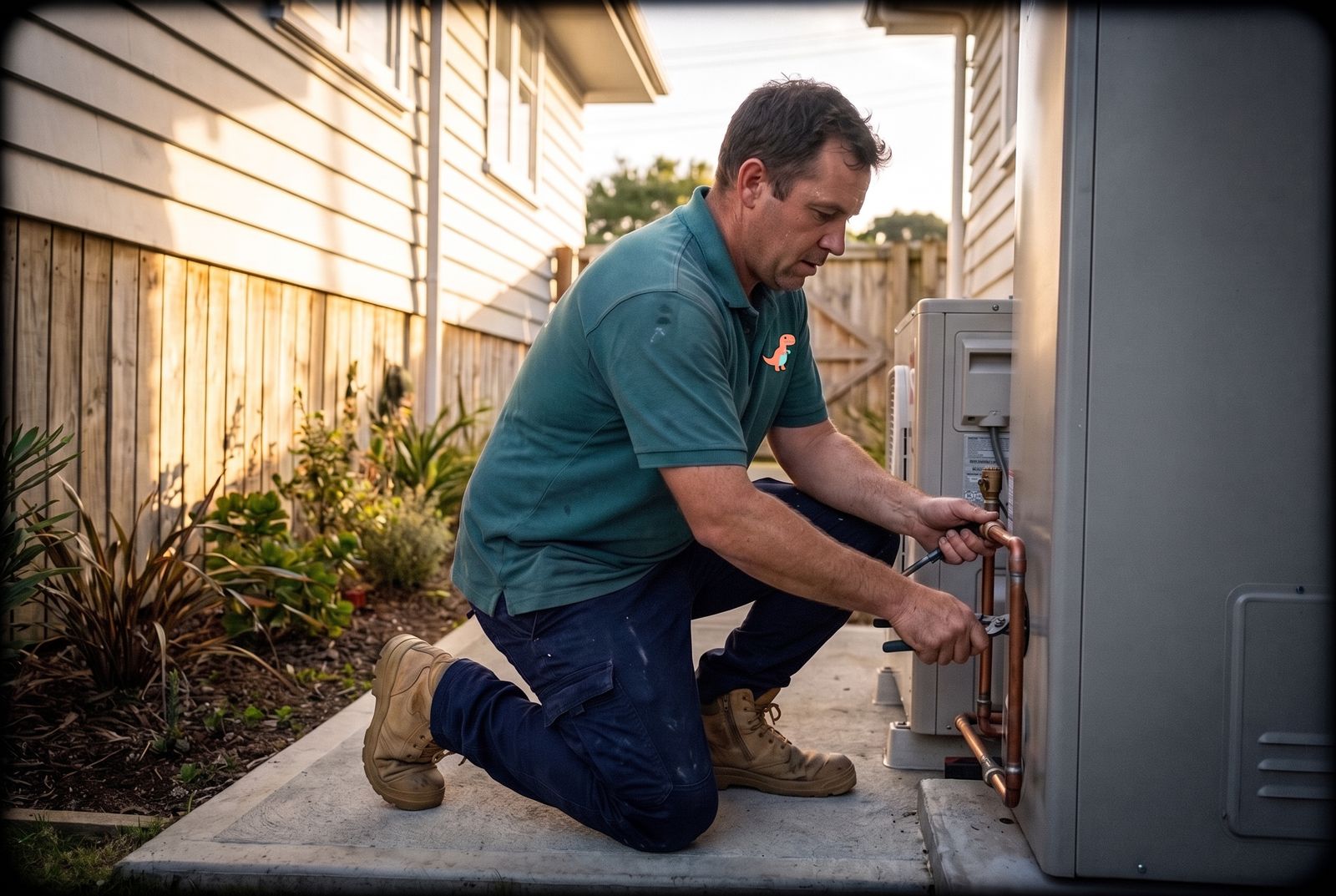
Heat Pump Hot Water
Heat pump hot water systems use up to 70 percent less power than a standard electric cylinder.
View serviceGas Hot Water
Gas storage hot water cylinders installed indoors or outdoors, old gas units replaced, and electric cylinders converted to gas.
View service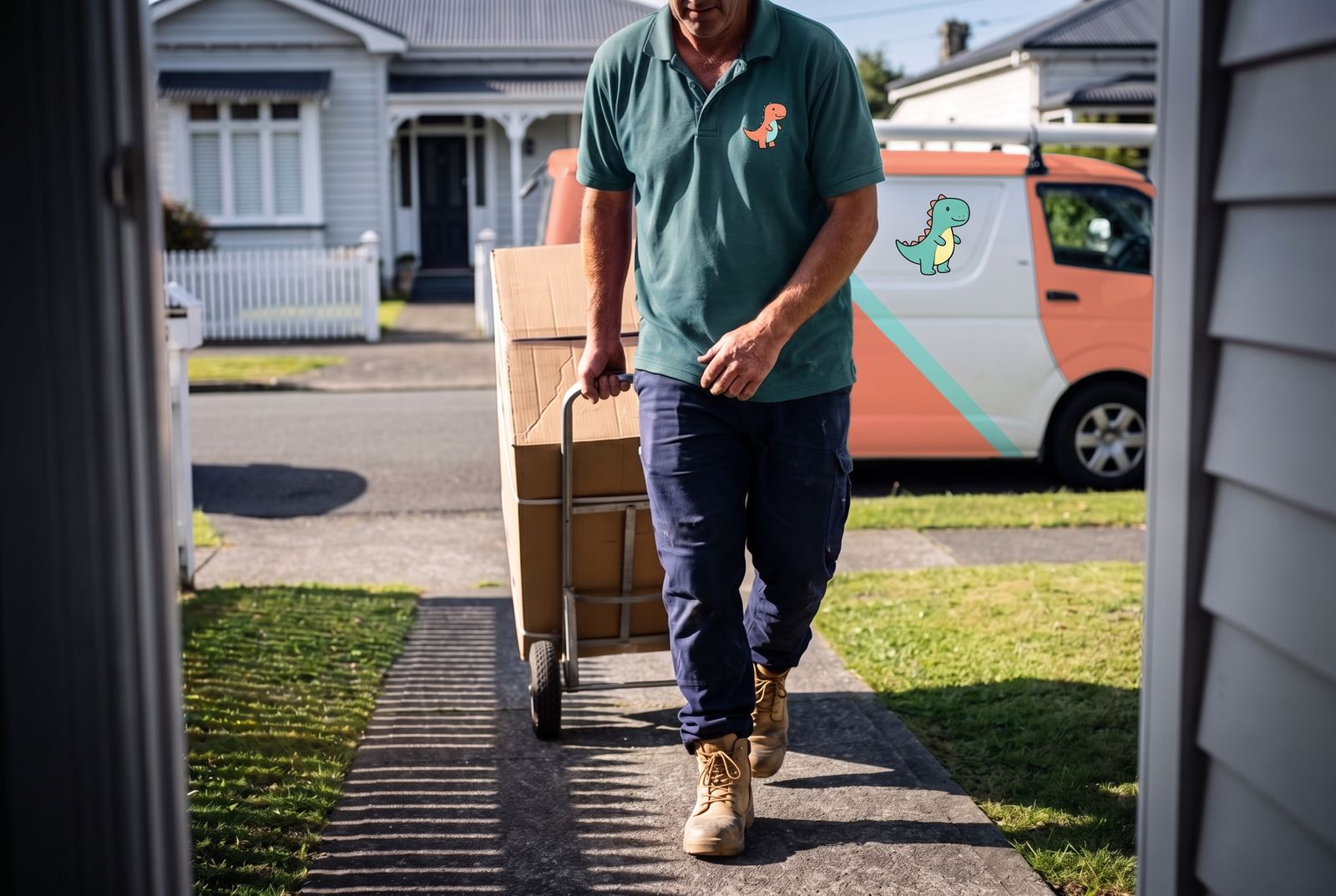
Hot Water Cylinders
Hot water cylinder replacement across Christchurch.
View serviceRead Next
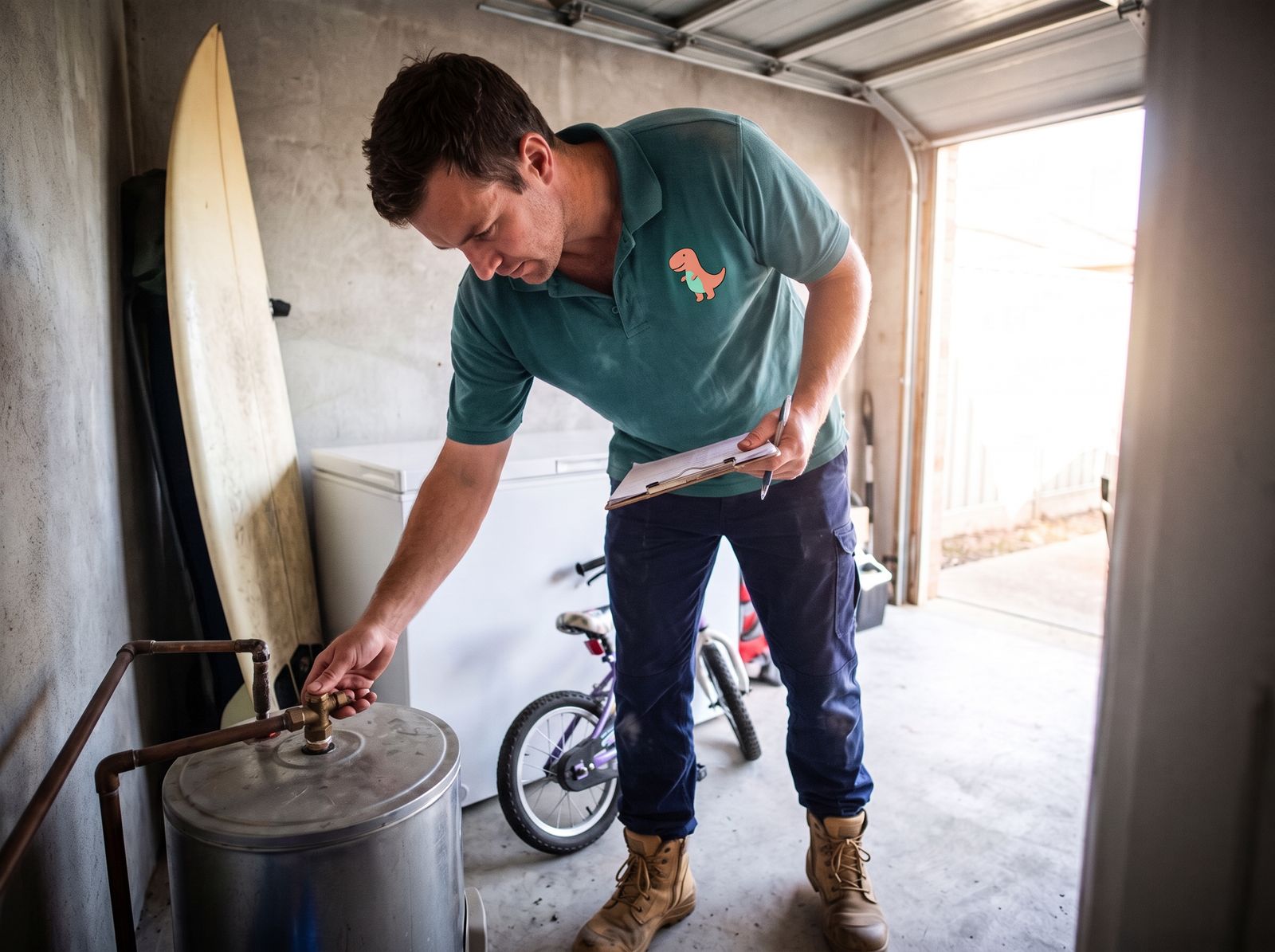
Wetbacks in Christchurch: Clean Air Rules and What Comes Next
A wetback is a water jacket inside a wood burner that heats your hot water cylinder while the fire is lit. In the...
Read article
How Long Does a 45kg LPG Bottle Last in a Christchurch Home?
For a family of four using LPG for cooking and hot water, one LPG supplier's New Zealand guide estimates a 45kg bottle...
Read article
Pipe Lagging and Hot Water Cylinder Wraps for Canterbury Winters
A hot water cylinder wrap is worth it on an electric cylinder installed before 2002, or on any cylinder that feels warm...
Read articleSources
More plumbing advice from the Cheeky's Plumbers team.
