
A vacuum sewer uses suction, not gravity, to move wastewater. Your house drains run by gravity into a shared collection chamber, and a vacuum pump station draws the contents through the mains when a valve opens. Christchurch City Council runs vacuum systems in Shirley, Aranui and Prestons. Keep wipes, fat and rags out of the drains, and call the council first if something goes wrong.
Most of Christchurch still drains the old way, with sewage flowing downhill through pipes in the street. After the 2010 and 2011 earthquakes, the council turned to vacuum and pressure systems in some areas because they cope better with earthquakes, liquefaction and high groundwater. Vacuum sewers are the less familiar of the two, and they behave differently enough that it helps to understand them.
This guide covers how the system works, where it is, which pipes are yours, what the odd noises mean and what to keep out of the toilet. If you are not sure whether your street is vacuum, pressure or gravity, the council can tell you.
How does a vacuum sewer work?
A vacuum sewer combines short gravity pipes with a suction network. According to Christchurch City Council, four to six private gravity laterals feed a single collection chamber, and a vacuum pump station draws the wastewater from those chambers through the mains.
In practice, your toilet, shower and sinks drain exactly as they would on a gravity sewer until the wastewater reaches the shared chamber. When enough has collected, a valve in the chamber opens briefly and the vacuum in the main pulls the contents away, along with a gulp of air. Then the valve closes and the chamber starts filling again.
Because the mains are kept under suction rather than relying on a steady fall, they can run shallower and handle ground that moves. That matters on flat land in the east of the city, where liquefaction and high groundwater are the main concerns.
- Your drains: gravity flow from fixtures to your lateral
- The lateral: a gravity pipe from your house to the shared chamber
- The collection chamber: shared by four to six properties, with a valve that opens and closes
- The vacuum main: suction pipe in the street
- The vacuum station: pumps that keep the network under suction
Which Christchurch suburbs have vacuum sewers?
Christchurch City Council names Shirley, Aranui and Prestons as the areas served by vacuum sewers. All three are on the eastern side of the city, part of the wider East and Coastal Christchurch area, where many homes were repaired or rebuilt after the quakes.
In 2022 the council said the Shirley and Aranui vacuum systems had reached capacity, which affected new housing developments wanting to connect. If you are thinking about adding a minor dwelling or subdividing in one of these areas, ask the council about wastewater capacity before you spend money on plans.
Vacuum is not the only alternative system in the east. Some properties have a pressure sewer with a tank and pump on their own section instead. The council publishes ownership guidance for each type, and your LIM is a good place to confirm which one you have.
Who owns the collection chamber and the pipes to it?
The gravity lateral from your house is private, and the vacuum network is the council's to run. The council describes the laterals feeding each chamber as private, and its advice for vacuum areas is to call the council first when there is a problem. If the council finds the vacuum system is working, a drainlayer then checks the private lateral.
That order matters. A blockage or fault in the chamber valve can look, from inside the house, exactly like a blocked drain. Calling the council first means a valve problem gets fixed by the people responsible for it, and you only pay a drainlayer if the fault really is on your side.
If the problem is on your lateral, Cheeky's Plumbers can clear blocked drains and carry out drain repairs on the private pipe. A drain camera inspection shows whether the lateral is cracked, sagging or blocked before anyone starts digging.
| Part of the system | Who to contact first |
|---|---|
| Fixtures, traps and pipes inside the house | Your plumber |
| Gravity lateral from the house to the chamber | Council first, then a drainlayer if the vacuum system is working |
| Collection chamber and valve | Christchurch City Council |
| Vacuum main and vacuum station | Christchurch City Council |
Blocked drain on a vacuum sewer?
Cheeky's Plumbers clears and camera-checks private laterals in Shirley, Aranui, Prestons and across the east, and will tell you straight if the fault belongs to the council.
Why does a vacuum sewer gurgle or smell?
A short whoosh or gurgle from outside when the chamber valve opens is the system working. Air is pulled into the main along with the wastewater, so some noise near the chamber is normal.
Gurgling inside the house is different. If sinks or toilets gurgle, or water levels in toilet bowls drop on their own, the suction may be reaching back into your drains. That can happen when a valve sticks open or the venting on your house drains is not doing its job. Report it to the council, and mention exactly when it happens.
A sewage smell usually means wastewater is sitting somewhere it should not. Possible causes include a chamber that is not emptying, a cracked lateral, a dry trap in a rarely used floor waste or shower, or a loose cover. Run water into unused fixtures to refill their traps, then report any smell that persists.
Long-running odours in the east are not always your sewer. A fire on 1 November 2021 destroyed both trickling filters at the Christchurch Wastewater Treatment Plant at Bromley, and the council has dealt with odour problems from the plant since.
What should never go down a vacuum sewer?
Only toilet paper and human waste belong in the toilet, and only water and light food residue belong in the sinks. Valves and narrow vacuum pipes are less forgiving of solids than a big gravity sewer, so items that would eventually wash through elsewhere can jam a valve here and affect every house on the chamber.
Because four to six homes share each chamber, one household's habits can cause a problem for the neighbours. It is worth a friendly word if you share a chamber with new tenants or a busy household.
- Wet wipes of any kind, including those labelled flushable
- Sanitary products, nappies, cotton buds and dental floss
- Cooking fat, oil and dripping, which set hard in pipes and valves
- Rags, paper towels and tissues
- Cat litter, building waste, paint and grout
- Stormwater from downpipes or yard sumps, which belongs in the stormwater system
What should I check before renovating on a vacuum sewer?
Find out where your lateral runs and where the shared chamber is before you plan a new bathroom, extension or driveway. Your new drains still need the right falls to reach the chamber by gravity, and you cannot simply add connections to a shared chamber without the council knowing.
Drainlaying is restricted work in New Zealand, so new or altered drains must be done by a licensed drainlayer and usually need a building consent and, at the end, a Code Compliance Certificate. Tell your designer early that the property is on a vacuum sewer, and check capacity if you are adding a dwelling.
When should I call a plumber?
Call the council first for anything that looks like a chamber, valve or network fault: several fixtures backing up at once, neighbours with the same problem, or gurgling every time the valve operates. Call a plumber when the problem is clearly inside your home, such as one blocked toilet or a slow shower drain while everything else flows normally.
Cheeky's Plumbers works across the east of the city and can sort out a blocked drain in the east, check your lateral with a camera, and talk to the council on your behalf if the fault turns out to be theirs.
Frequently Asked Questions
Can I use a drain cleaner chemical on a vacuum sewer?
Avoid harsh chemical cleaners. They rarely clear a real blockage, and they can damage seals and valve parts downstream. A plunger or a plumber's drain machine on your own pipes is a safer first step.
What happens to a vacuum sewer in a power cut?
The vacuum station needs power to keep the network under suction. The council manages the stations, so in a wider outage keep your water use low until power is back and the system has caught up.
Can I connect a sleepout toilet to the chamber?
Not without the council's approval and a licensed drainlayer. New connections affect a shared chamber and, in Shirley and Aranui, a network the council has said is at capacity.
Why can I hear a hiss near the street at night?
The chamber valve opens whenever enough wastewater has collected, day or night, and the air drawn in can make a short hiss or whoosh. A constant noise that does not stop is worth reporting.
Is a vacuum sewer the same as a pressure sewer?
No. A vacuum sewer pulls wastewater from shared chambers using suction from a central station. A pressure sewer pushes it from a tank and pump on your own section. Ownership and alarms differ, so check which you have.
Our Services
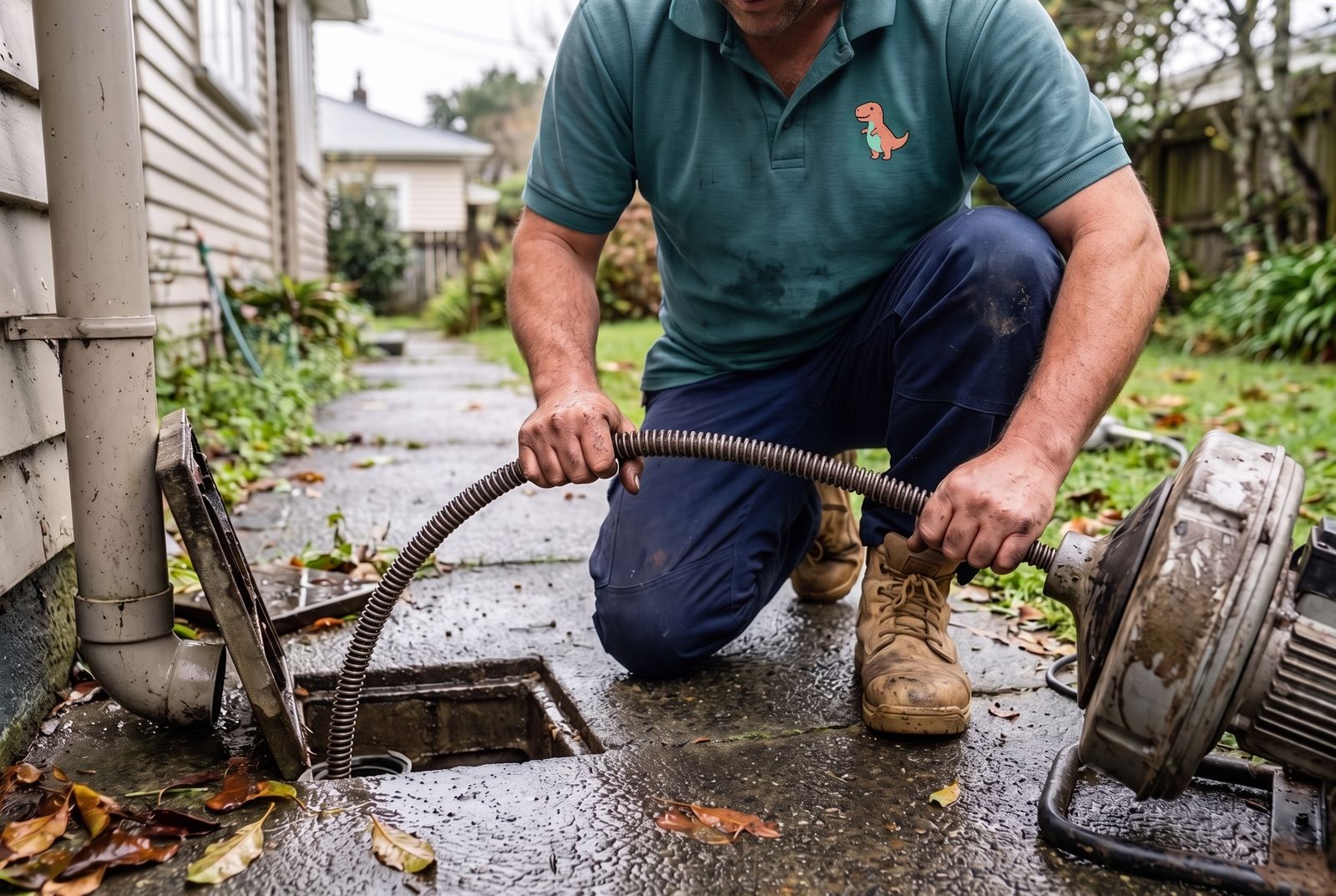
Blocked Drains
Blocked sinks, showers, toilets and gully traps cleared fast.
View service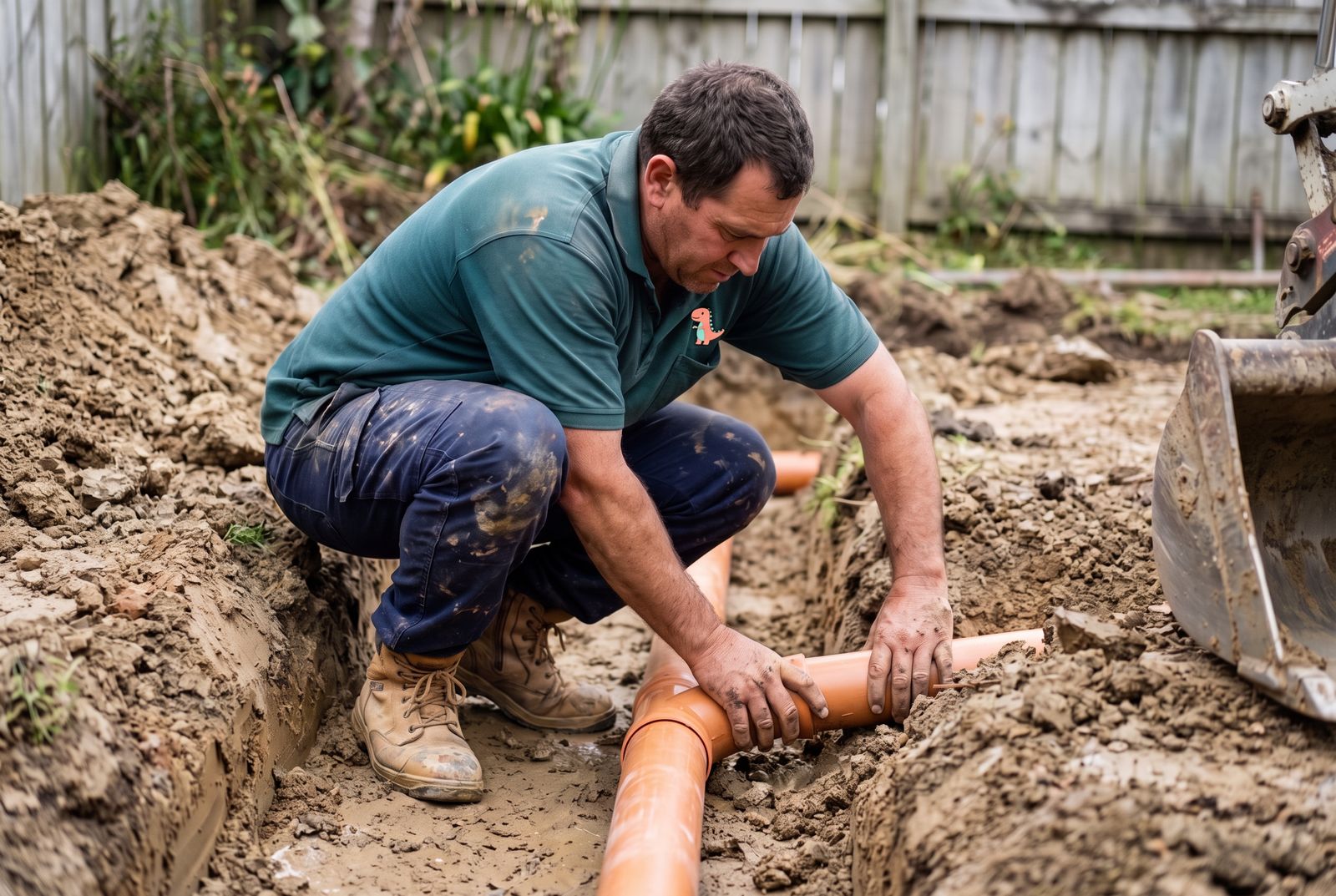
Drain Repairs
Cracked, collapsed and root-damaged drains repaired by registered drainlayers.
View service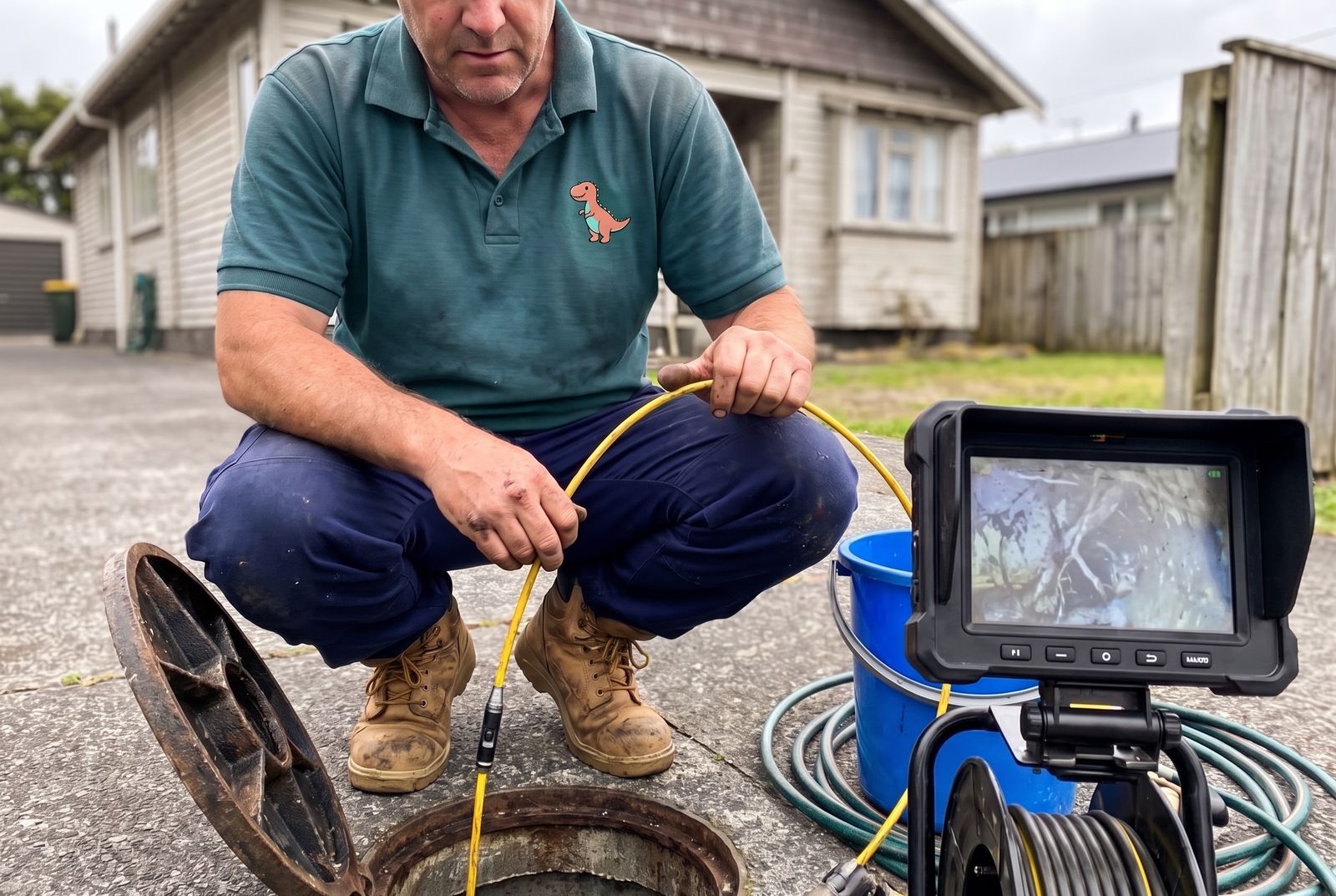
CCTV Drain Inspection
Our waterproof drain cameras show exactly what is happening inside your pipes: roots, cracks, sags, collapsed sections and illegal connections.
View serviceRead Next
Pressure Sewer Pump Alarm Going Off? What to Do in Christchurch
A pressure sewer alarm means the wastewater level in your on-site tank has risen higher than it should, usually because...
Read article
Buying a Quake-Repaired House in Christchurch: Plumbing Checks
Repaired houses are common in Christchurch: more than 67,000 homes went through the Canterbury Home Repair Programme...
Read article
Toby, Meter and Boundary: Who Fixes Which Water Pipe in Christchurch?
In Christchurch the dividing line is your property boundary, not the toby. Christchurch City Council owns the pipe from...
Read articleSources
More plumbing advice from the Cheeky's Plumbers team.
