
A pressure sewer alarm means the wastewater level in your on-site tank has risen higher than it should, usually because the small pump is not keeping up or has lost power. Cut your water use straight away, check the power to the pump, then call the right party: Christchurch City Council for a council-owned tank, or a drainlayer or plumber for a privately owned one.
Before the 2010 and 2011 earthquakes, Christchurch relied on gravity sewers. Since then Christchurch City Council has installed pressure and vacuum systems in some areas because they cope better with earthquakes, liquefaction and high groundwater. That means many homeowners now live with a tank, a pump and an alarm box that their parents never had to think about.
This guide explains how to tell whether you are on a pressure system, what the alarm is telling you, how to buy time while help is on the way, and who pays for what. It is written for homeowners, not engineers, and it sticks to what the council publishes.
How do I know if my home has a pressure sewer pump?
If you have a buried tank with a lid somewhere on your section and an alarm or control box mounted on an outside wall, you almost certainly have a pressure sewer. Houses on gravity sewers have no pump and no alarm panel for wastewater.
Christchurch City Council describes the pressure system simply: each property has an on-site tank with a small pump that pushes wastewater into a shared pressure main in the street. The pipes are polyethylene and laid shallow, which is part of why they survive ground movement better than old gravity lines.
Halswell is one area where individual property pump stations were used, according to comments from the mayor in 2021. Beyond that, the council has not published a simple suburb list. It does publish an open dataset of local pressure pump zones, and your property file or LIM is the surest place to check. If you have bought a home in a newer subdivision in South Christchurch and Port Hills and are not sure what you have, look for the lid and the panel first.
- A round or square lid set into the lawn or garden, usually not far from the house
- A weatherproof alarm or control box on an exterior wall, often with a light and a test button
- A dedicated electrical supply to the pump, sometimes on its own circuit at the switchboard
- Paperwork from your purchase or the council mentioning a pressure sewer, a pump chamber or a local pressure pump zone
Why is my pressure sewer alarm going off?
The alarm sounds because the level in the tank has climbed past a set point. Something has stopped the pump from emptying the tank as fast as wastewater is arriving, and the alarm is warning you before the tank runs out of spare room.
The cause is usually one of a handful of things. Some you can check yourself in a minute. Others need someone qualified to open the tank or the control panel, which you should never do yourself because of the electrics and the raw sewage inside.
| Likely cause | What you might notice | Who deals with it |
|---|---|---|
| Power off to the pump | Tripped circuit breaker, or a wider power cut in the street | You can reset a tripped breaker once; if it trips again, call for help |
| Pump fault or wear | Power is on but the alarm keeps sounding | Council for a council-owned tank, a drainlayer for a private one |
| Blockage in the pump or outlet | Alarm after wipes, rags or fat have gone down the drains | Same as above |
| Very heavy use in a short time | Alarm after laundry, showers and a dishwasher all at once | Often clears once the pump catches up |
| Water getting into the tank | Alarm during heavy rain or high groundwater | Needs an inspection of the tank and lid |
Should I stop using water when the alarm sounds?
Yes. Every litre that goes down a sink, shower or toilet ends up in the tank, so reducing use is the single most useful thing you can do. The council says the tanks have spare storage for several days in a long power cut if used carefully, and the same spare room is what protects you while a fault is sorted out.
Careful use means postponing the washing machine and dishwasher, taking short showers or skipping them, flushing only when needed and not running taps to wait for hot water. Drinking water from the tap is fine, because only what goes down the drain fills the tank.
Most panels have a button that silences the buzzer. Silencing it does not fix anything, so keep the light in view and keep your water use low until someone has checked the system. If the panel shows a fault and you also notice sewage smells or wet ground around the lid, treat it as urgent.
Private pressure sewer playing up?
Cheeky's Plumbers inspects and repairs privately owned pressure sewer tanks, pumps and the drain between your house and the tank, across Christchurch.
Who owns and fixes the pump and tank?
It depends on who installed it. Christchurch City Council's ownership page says tanks installed by SCIRT between 2011 and 2017, and those in certain subdivisions, are council owned and maintained and come with remote alarm panels. For those, report the alarm to the council on 03 941 8999.
Some tanks, pipes and control panels are privately owned. In that case the council says the owner calls a drainlayer, and the cost sits with you. Either way, two parts are always yours: the lateral pipe that carries wastewater from your house to the tank, and the electricity that runs the pump.
If your paperwork does not make ownership clear, ring the council first and ask. Getting that answer before you call a contractor can save you paying for work the council would have done. For a privately owned system, Cheeky's Plumbers can inspect and repair your pressure sewer tank and pump, and our drainlayers handle drain repairs on the lateral between the house and the tank.
What happens to the pump in a power cut?
The pump stops. Pressure sewer pumps are electric and run from your household supply, so when the power goes off the tank simply fills from whatever you send down the drains.
This is where the design helps you. The council says the tanks hold enough spare storage for several days in a long power outage, as long as the household uses water carefully. That reserve is there for exactly this situation.
When the power comes back, the pump should start on its own and work the level down. The alarm may sound briefly as it catches up. If it keeps sounding long after the power has returned, treat it like any other fault and call the owner of the system.
- Keep water use to the minimum for the whole outage
- Do not plug the pump into a portable generator or extension lead yourself
- Note the time the alarm started so you can tell the council or your drainlayer
- Check the switchboard once power returns in case the pump circuit tripped
What can I do to stop the alarm going off again?
Most repeat alarms come down to what goes into the tank. A pressure pump grinds and pushes wastewater through a narrow pipe, so anything that does not break down easily is more likely to jam it than it would a gravity sewer.
Keep wipes, sanitary products, cotton buds, cooking fat and food scraps out of the drains. Spread big water jobs across the day rather than running everything at once. Keep the tank lid clear of soil and garden beds so rain cannot pool on it, and make sure nobody parks or builds over it.
It also pays to know your system before something goes wrong. Find the lid, find the panel, and note on the fridge whether the council or you own the tank. That one fact decides who you ring at two in the morning.
When should I call a plumber or drainlayer?
Call straight away if sewage is backing up into the house, the ground around the tank is wet or smells, or the alarm will not clear after power is restored and use has been cut back. For a council-owned tank, the council is your first call. For a private system, you need a licensed drainlayer.
Cheeky's Plumbers has an emergency plumber on call around Christchurch, and our team can tell you on the phone whether the problem looks like the pump, a blockage or a power fault. We will also tell you plainly if the tank is the council's job, so you do not pay for work you do not owe. You can ring us or book online for non-urgent checks.
Frequently Asked Questions
Can I open the tank lid to look inside?
No. The tank holds raw sewage and the pump and float switches are live electrical equipment. Lifting the lid can also let rainwater in. Leave inspection to the council for a council-owned tank, or to a licensed drainlayer for a private one.
Does a pressure sewer smell?
A sealed, working system should not smell at the surface. A smell near the lid or the house vents can point to a damaged lid seal, a leak in the lateral or a tank that has filled too high. Cut your water use and report it.
Can I build a deck or garden over the tank?
Keep the lid visible and reachable. Whoever maintains the tank needs to open it, and soil or decking over the lid makes servicing slower and lets surface water pool where it can get in.
Will my insurance cover a pump failure?
That depends on your policy and on who owns the system. If the council owns the tank and pump, it maintains them. For a private system, check your house policy wording and keep your repair invoices.
Is a pressure sewer worse than a gravity sewer?
Not worse, just different. Christchurch City Council chose pressure systems in some areas because they cope better with earthquakes, liquefaction and groundwater. The trade off is a pump that needs power and care with what goes down the drain.
Our Services
Wastewater Pump Stations
Private wastewater pump stations, pressure sewer tanks and stormwater sump pumps serviced, repaired and replaced across Christchurch.
View service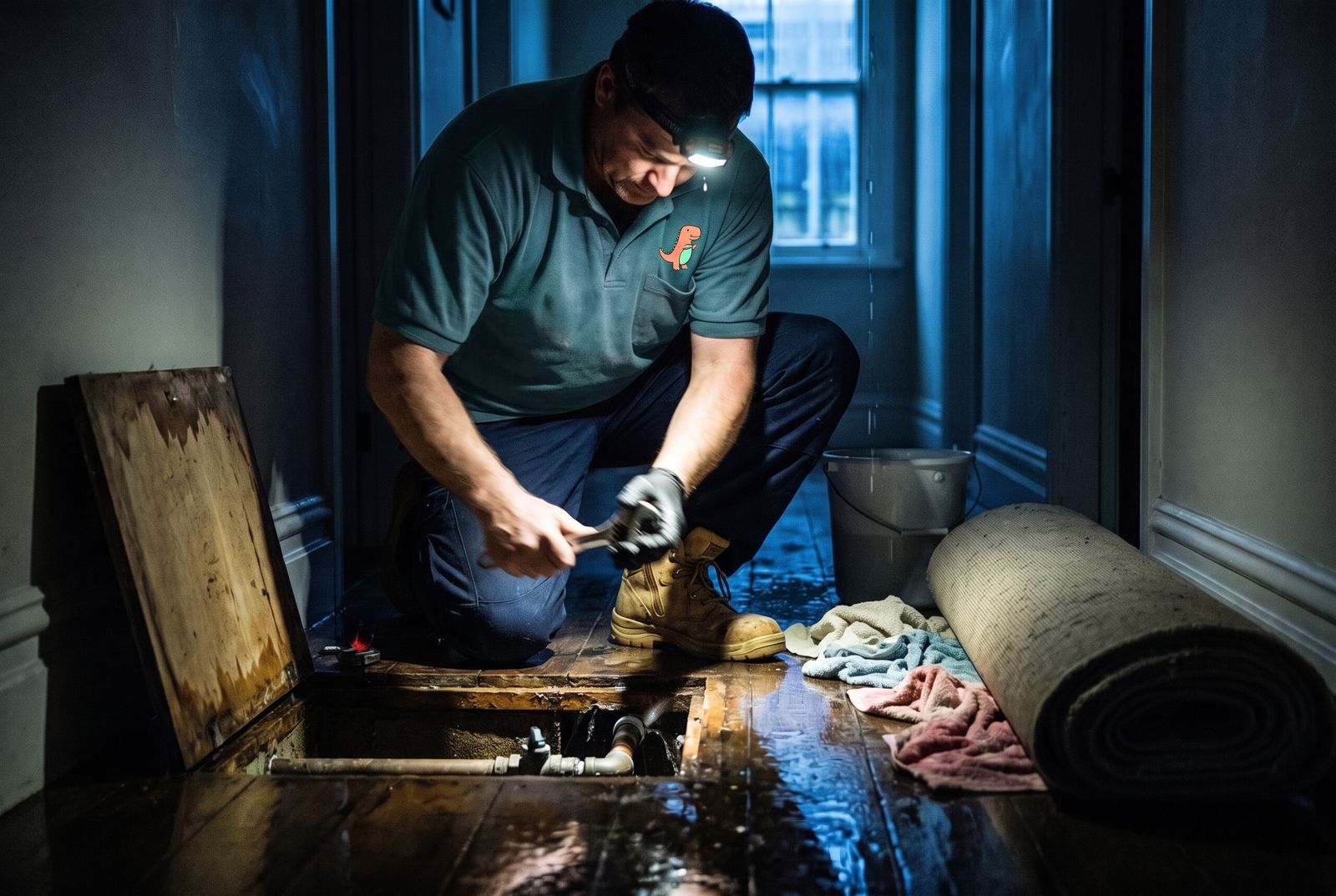
Emergency Plumber
Water through the ceiling at 2am does not wait for business hours, and neither do we.
View service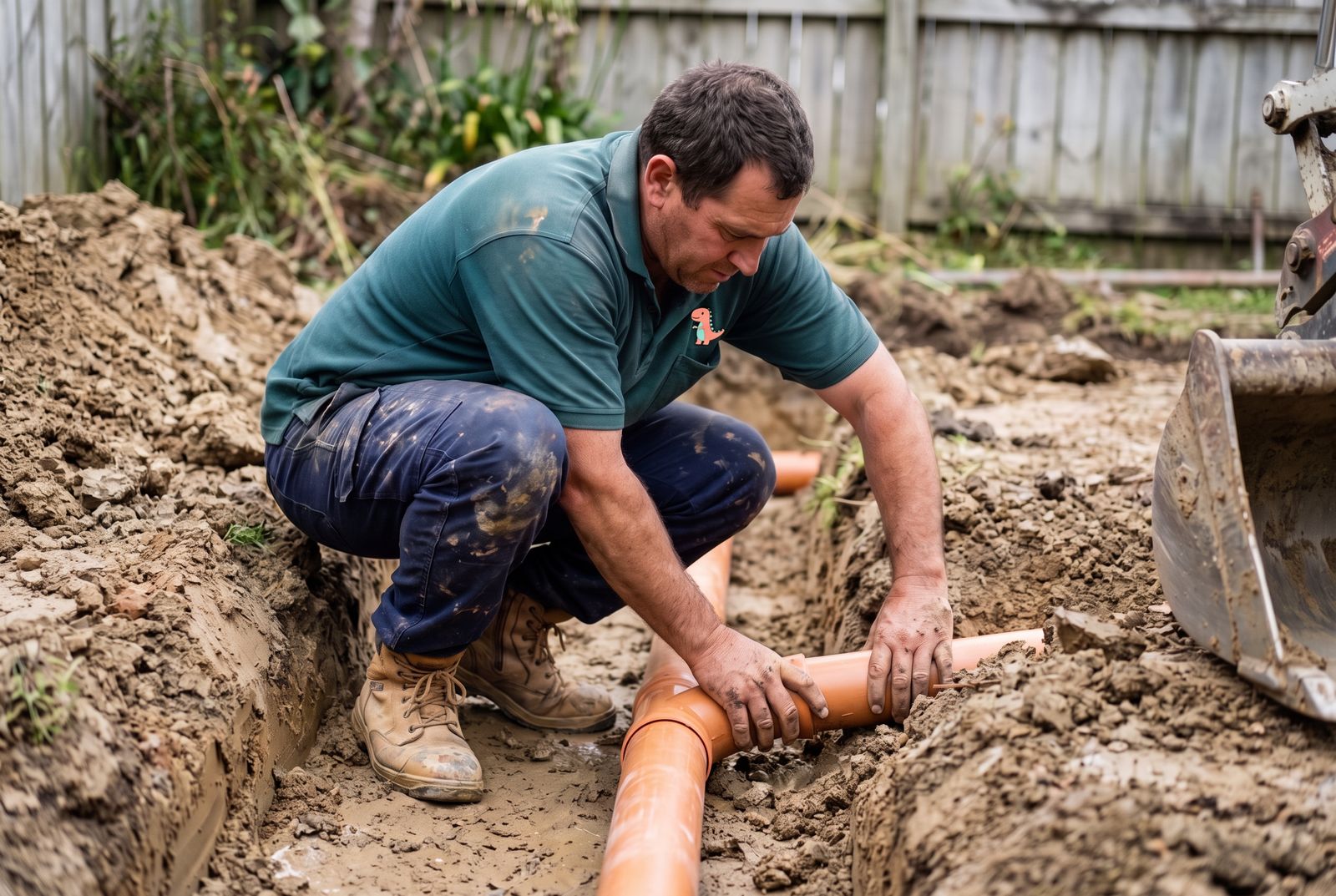
Drain Repairs
Cracked, collapsed and root-damaged drains repaired by registered drainlayers.
View serviceRead Next
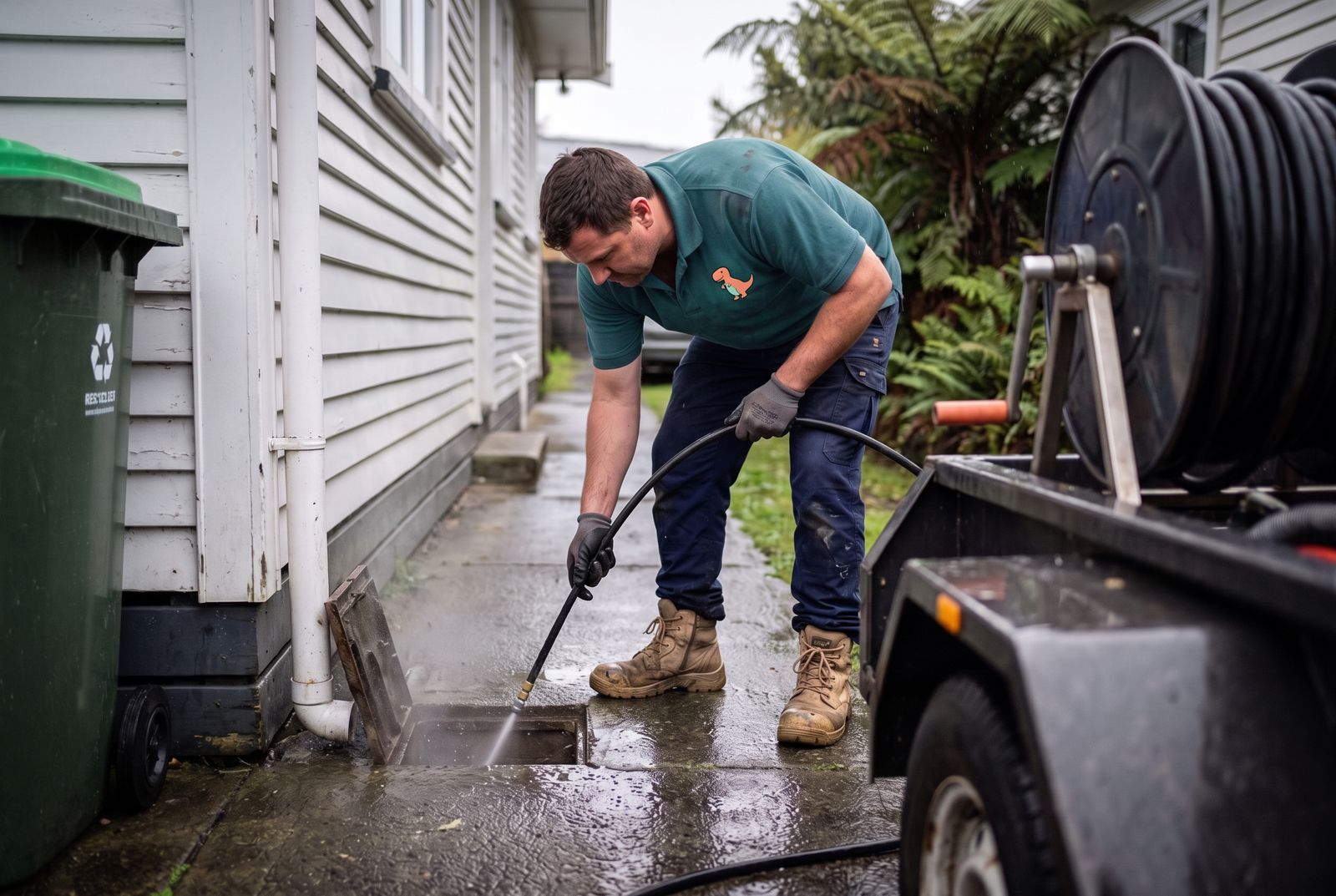
Vacuum Sewers in Shirley, Aranui and Prestons: What Not to Flush
A vacuum sewer uses suction, not gravity, to move wastewater. Your house drains run by gravity into a shared collection...
Read article
Buying a Quake-Repaired House in Christchurch: Plumbing Checks
Repaired houses are common in Christchurch: more than 67,000 homes went through the Canterbury Home Repair Programme...
Read article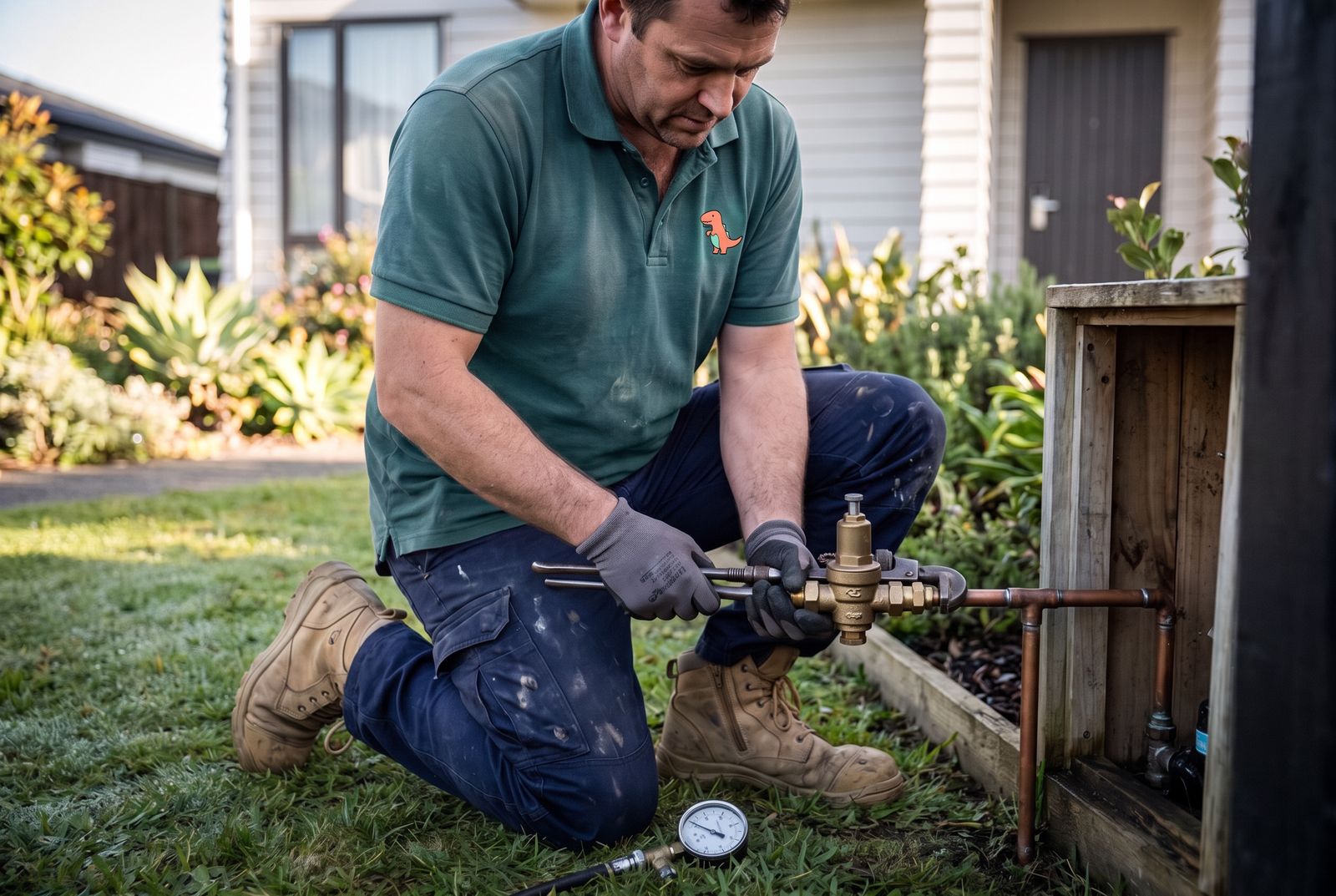
Toby, Meter and Boundary: Who Fixes Which Water Pipe in Christchurch?
In Christchurch the dividing line is your property boundary, not the toby. Christchurch City Council owns the pipe from...
Read articleSources
More plumbing advice from the Cheeky's Plumbers team.
