
Repaired houses are common in Christchurch: more than 67,000 homes went through the Canterbury Home Repair Programme after the 2010 and 2011 quakes. Before buying one, check the land category on the LIM, get a drain camera inspection of the wastewater and stormwater pipes, and have the water supply checked for leaks. Ground movement and foundation work can both leave hidden damage in pipes that a standard building report does not see.
The Canterbury earthquakes of 4 September 2010 and 22 February 2011 damaged land, foundations and buried services across the city and into Selwyn and Waimakariri. Many repaired homes have since changed hands. That is not a reason to avoid them. It is a reason to look a little harder at the parts of the house you cannot see.
This guide explains what plumbing and drainage issues can follow ground movement and repairs, what the TC1, TC2 and TC3 land categories mean for pipes, why a drain camera is worth the cost, and where to turn if an earlier repair turns out to have problems. It does not suggest any particular house was badly repaired. It sets out what to check so you can buy with your eyes open.
What plumbing problems can show up in quake-repaired houses?
The most common issues are underground: cracked or displaced drain joints, sections of drain that have sagged where the ground settled, and connections pulled apart at the gully trap or where pipes leave the house. Supply pipes can also leak at joints that were strained when the ground moved.
Each repair had its own scope, so work on the building does not tell you the state of the pipes underneath. The Canterbury Home Repair Programme, run by the Earthquake Commission with Fletcher as project manager, focused on claims estimated at $15,000 to $100,000 per event. A newer kitchen or a re-levelled floor does not tell you what happened to the drain under the lawn.
Inside the house, look for the signs that are easy to miss at an open home: doors that stick, sloping floors near bathrooms, damp smells under the floor, and slow drains that only show up after several fixtures have been used.
- Slow-draining sinks, showers or toilets, especially on one side of the house
- Gurgling from drains when another fixture empties
- A gully trap that overflows, smells or has moved away from the wall
- Damp or musty smells under the floor
- Lush or sunken strips in the lawn along the line of a drain
- Water pressure that drops off at the far end of the house
Should I get a drain camera inspection before buying?
Yes, for any Christchurch house that went through the quakes. A drain camera inspection is the only practical way to see inside buried wastewater and stormwater pipes, and a standard pre-purchase building report usually does not include it.
A camera is fed through the drain from the gully trap or an inspection point, and it records cracks, displaced joints, sags that hold water, root intrusion and pipes that have been crushed. You get the footage and a written report, which you can take to the vendor, your lawyer or a drainlayer for a repair price before you commit.
Time the inspection inside your due diligence period. If the camera finds a problem, you still have room to negotiate, ask for repairs or walk away.
What do TC2 and TC3 land mean for pipes and drains?
They are land categories, set by MBIE after the quakes, that describe how likely flat residential land is to suffer future liquefaction damage. TC2 means damage is possible; TC3 means moderate to significant damage is possible. Both affect how foundations and, by extension, drains should be designed.
On TC1 land, future liquefaction damage is unlikely and standard foundations apply. On TC2 land, lightweight construction or enhanced foundations such as an enhanced concrete raft are likely. On TC3 land, a site-specific deep geotechnical investigation and an engineered foundation design are needed, and repairs need a chartered professional engineer. Rural land, the Port Hills and land outside the damage mapping is shown as N/A.
For drainage, the practical point is that new or repaired drains on TC2 and TC3 land need flexible, well-detailed connections that can take some movement. The category for a property is shown on its LIM and on the council's map, so check it before you budget for any drainage work.
| Category | Future liquefaction damage | What it means for drainage work |
|---|---|---|
| TC1 | Unlikely | Standard design and materials |
| TC2 | Possible | Expect enhanced foundations; drains detailed for some movement |
| TC3 | Moderate to significant possible | Engineered foundations; drain design coordinated with the engineer |
| N/A | Not mapped (rural, Port Hills, outside the mapping) | Normal site assessment |
Buying a repaired home?
Cheeky's Plumbers can camera the drains and test the supply pipes inside your due diligence period, with a written report you can take to the negotiation.
Can a foundation re-level affect the pipes?
It can. Lifting or re-levelling a floor changes the position of everything fixed to it, including waste pipes that need a steady fall to drain and the joints where pipes pass through the floor or connect to the gully trap.
If a house was re-levelled, ask what was done to the drains at the same time. Ideally the connections were checked and adjusted, and the work was carried out by a licensed drainlayer and signed off. If there is no record, a camera inspection and a pressure test of the supply pipes will show whether the plumbing came through the work cleanly.
Foundations were the most common problem found in re-repairs of earthquake work, according to research reported by Massey University. That is a general finding across the programme, not a comment on any one house, but it is the reason to look closely at pipes in any home with foundation repairs in its history.
What paperwork should I ask the vendor for?
Ask for every scope of works, invoice and sign-off related to the quake repairs, plus the property file and LIM from the council. Consented work should have a Code Compliance Certificate, and plumbing or drainlaying done as restricted work should have a Record of Work from the licensed tradesperson.
Gaps in the paperwork are not proof of a problem, because minor repairs often did not need consent. They are a reason to check the pipes directly rather than rely on the file.
- Claim and repair scope from the Natural Hazards Commission (formerly EQC) or the insurer
- Invoices and completion reports from the repair contractors
- Building consents and Code Compliance Certificates for consented work
- Records of Work for plumbing and drainlaying
- The land category (TC1, TC2, TC3 or N/A) from the LIM
- Any engineer's report on foundations or re-levelling
What happens if an earlier repair was faulty?
Get advice before you assume you are on your own. On 1 July 2024 the Earthquake Commission became the Natural Hazards Commission Toka Tū Ake, and it remains the starting point for questions about the original claim. In 2019 an ex gratia scheme covered some buyers of on-sold, over-cap homes with defective repairs, and a class action has been brought over earthquake repairs. A lawyer can tell you whether any of that applies to your house.
For the plumbing itself, fix what is needed to keep the house safe and sanitary, and keep the camera footage, reports and invoices. Good records help with any later claim and with resale.
When should I call a plumber or drainlayer?
Book the checks before your due diligence ends, and call sooner if you notice slow drains, smells or damp at a viewing. Cheeky's Plumbers can camera the drains, test the supply pipes, and give you a written report you can use in negotiations.
Where damage is found, we will explain the options in plain English, from spot drain repairs to no-dig pipe relining where a pipe is cracked but still in line, and point you to leak detection if the supply side is losing water. Homes in Burwood and Kaiapoi, both close to land that was red zoned after the quakes, are good examples of where these checks are worth doing.
Frequently Asked Questions
Is a building inspection enough on a quake-repaired house?
A building report covers what the inspector can see, and buried drains are usually outside its scope. Pair it with a drain camera inspection and, if the house was re-levelled, a check of the supply pipes.
Does a rebuilt house need the same checks?
A rebuild on new foundations usually has new drains, consents and a Code Compliance Certificate, so the paperwork does more of the work. A camera check is still sensible if the drains connect to older pipes.
Do I need to know if the house is in a flood management area?
Yes, if you plan to extend or rebuild. Christchurch City Council can require a minimum floor level for new builds and additions in Flood Management Areas, although minor earthquake repairs do not trigger one.
Can I find the land category myself?
Yes. The technical category (TC1, TC2, TC3 or N/A) is shown on the property's LIM, and the council has a map of the categories for the flat residential land in Christchurch, Selwyn and Waimakariri.
Will the vendor let me camera the drains?
Ask early. A camera inspection is non-invasive and uses existing access points such as the gully trap. Make it a condition of your offer so the timing is agreed in writing.
Our Services
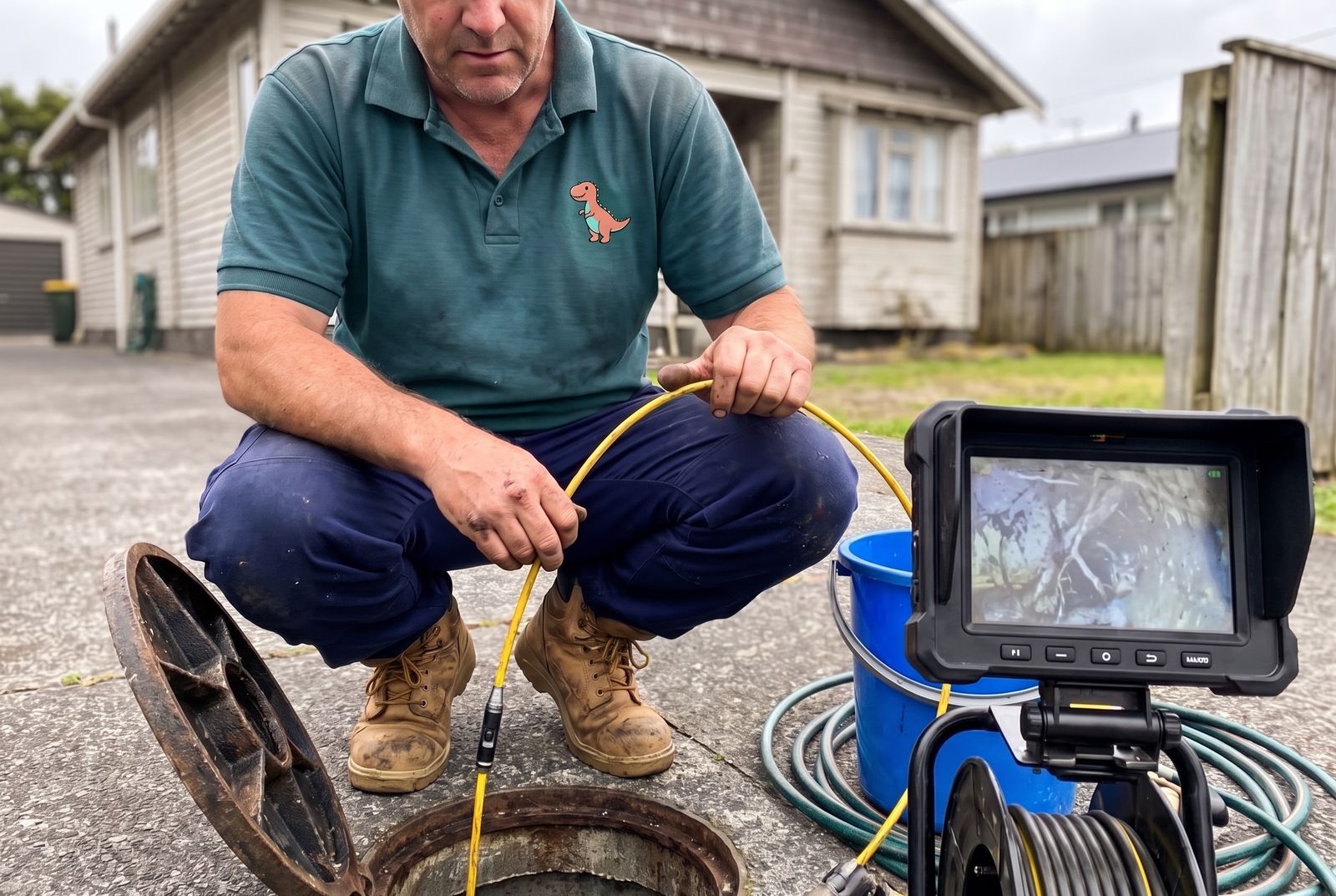
CCTV Drain Inspection
Our waterproof drain cameras show exactly what is happening inside your pipes: roots, cracks, sags, collapsed sections and illegal connections.
View service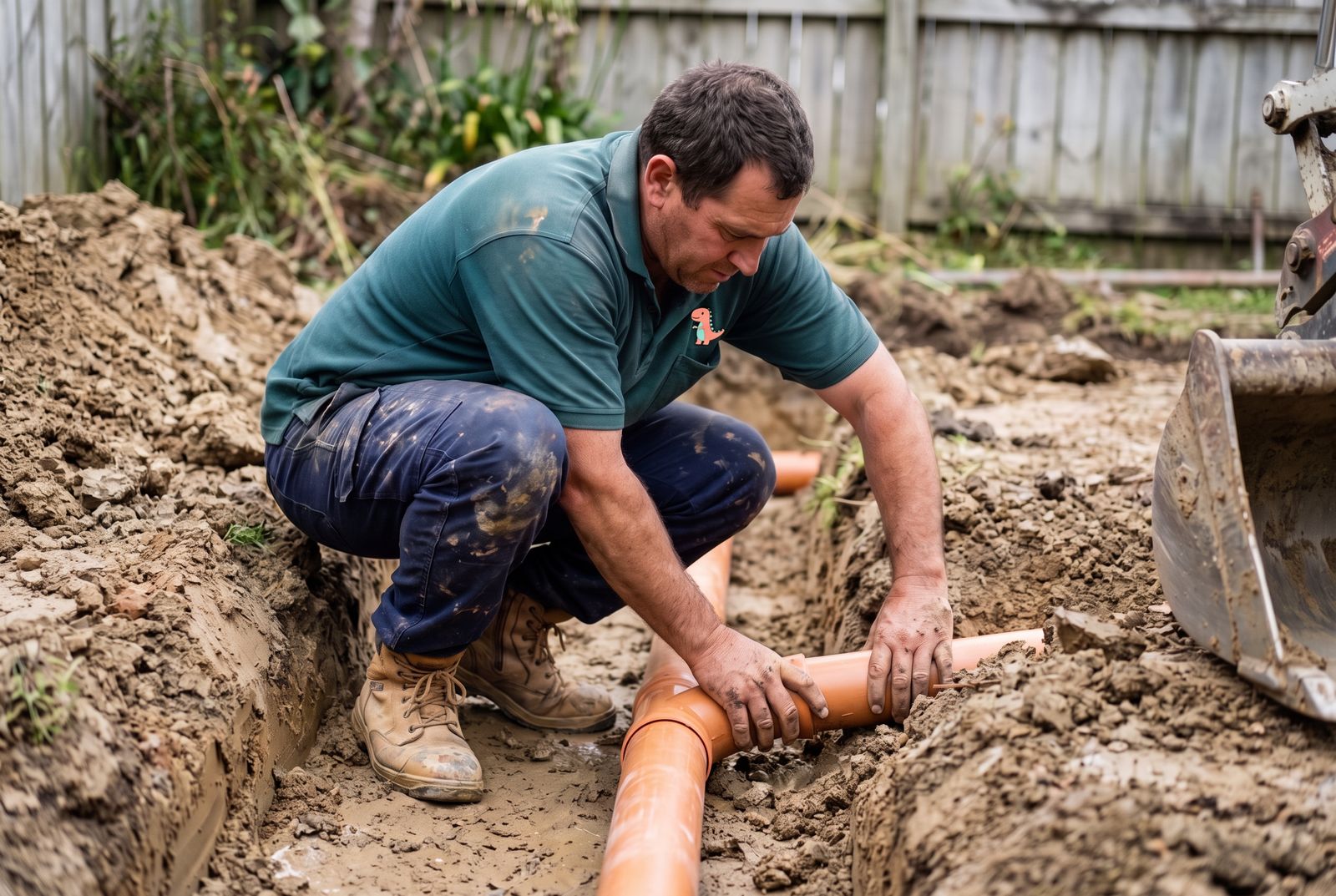
Drain Repairs
Cracked, collapsed and root-damaged drains repaired by registered drainlayers.
View service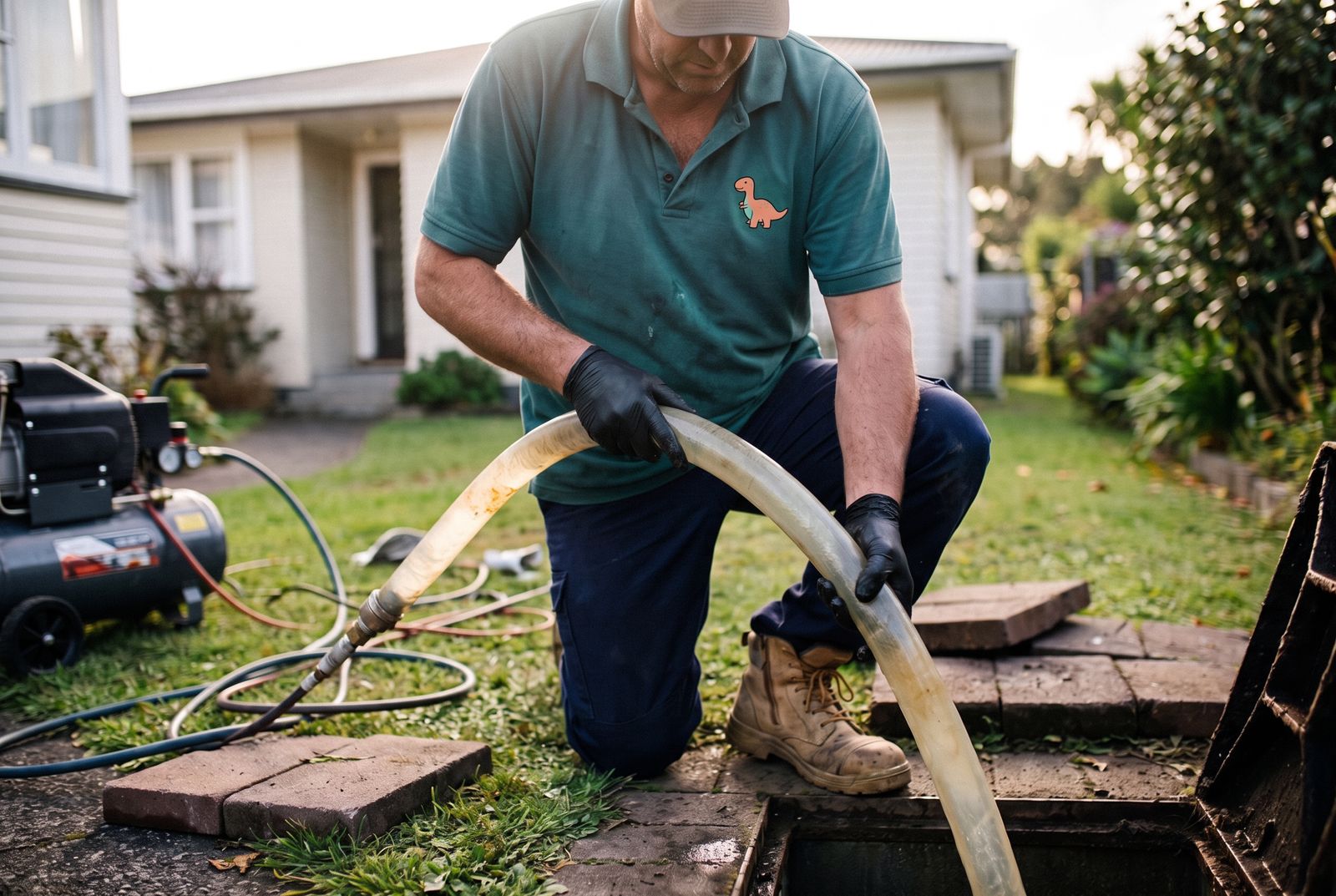
Pipe Relining
Trenchless relining repairs a damaged drain from the inside, with no digging up driveways, decks or gardens.
View serviceRead Next
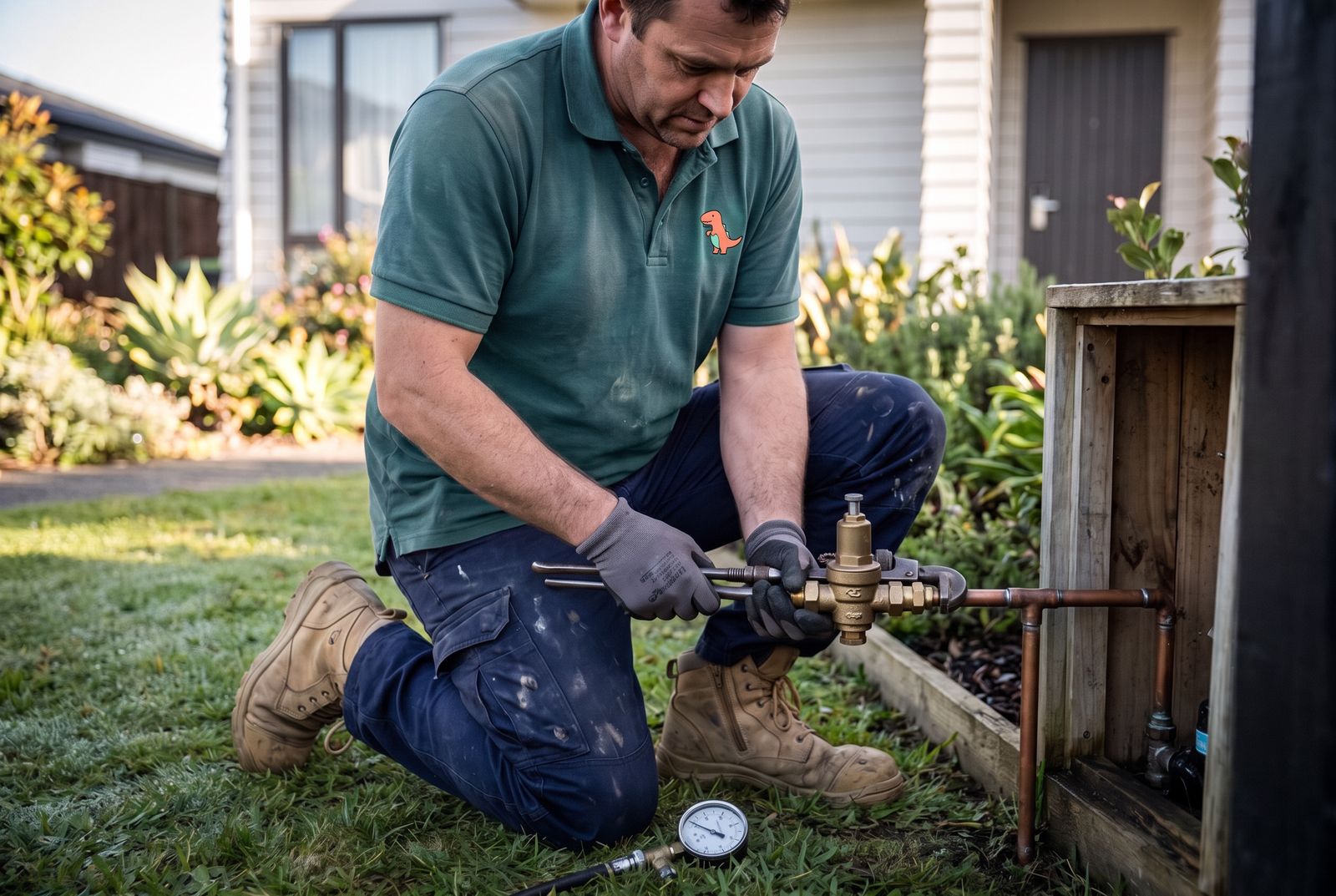
Toby, Meter and Boundary: Who Fixes Which Water Pipe in Christchurch?
In Christchurch the dividing line is your property boundary, not the toby. Christchurch City Council owns the pipe from...
Read article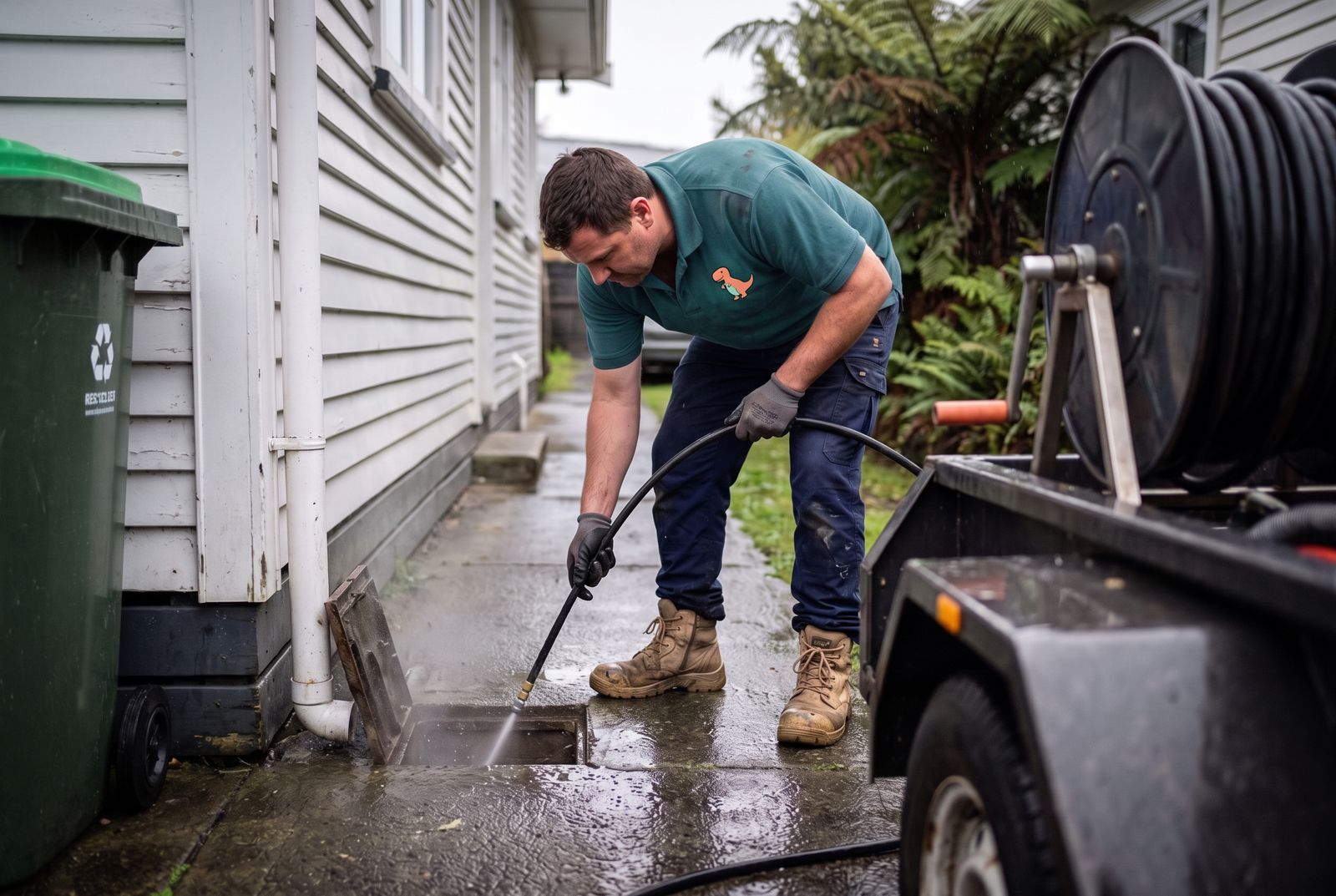
Vacuum Sewers in Shirley, Aranui and Prestons: What Not to Flush
A vacuum sewer uses suction, not gravity, to move wastewater. Your house drains run by gravity into a shared collection...
Read article
Christchurch Excess Water Charge: Find the Leak Before the Bill Does
Christchurch households pay an extra charge only when their average daily water use goes over the council's allowance,...
Read articleSources
More plumbing advice from the Cheeky's Plumbers team.
