
Do not assume bore water is safe to drink just because it comes from underground. Environment Canterbury says private supply owners are responsible for their own water and recommends testing for E. coli every three months, nitrate every year, and heavy metals and organic chemicals every three years. Most bores used for drinking need at least a sediment filter and a UV unit, chosen to suit the test results.
Selwyn was the fastest-growing district in New Zealand at the 2023 Census, growing 29% between 2018 and 2023. Around Rolleston and Lincoln, and north of the Waimakariri River around Rangiora and Kaiapoi, some lifestyle blocks sit outside a full town supply, relying on a private bore, a restricted council supply that fills a tank, or rainwater.
Town supplies across Christchurch, Selwyn and Waimakariri are now treated and chlorinated to meet the Water Services Act. A private bore has none of that unless you install it. This guide covers testing, treatment, how restricted supplies work, and the pump problems that come with running your own water.
Is bore water safe to drink without treatment?
Not reliably. Some bore water tests clean, but Environment Canterbury has reported both E. coli and nitrate in some Canterbury groundwater, and you cannot see, smell or taste either. The only way to know is to test, and the only way to stay safe between tests is suitable treatment.
Christchurch's own drinking water shows how seriously this is now taken. The city draws from deep confined aquifers and for many years supplied it untreated. After the 2016 Havelock North contamination, Christchurch's well heads were found not to meet standards, and chlorine has since been added to all supply zones. A private bore on a lifestyle block may be shallower, and it has no such safeguards unless you add them.
If a test finds E. coli, Environment Canterbury advises boiling or disinfecting all water used for drinking and food until the problem is sorted. Because every supply is different, it also recommends specialist advice before choosing treatment.
How often should bore water be tested?
Environment Canterbury's current guidance is every three months for E. coli, every year for nitrate, and every three years for heavy metals and organic chemicals. Test again after heavy rain or flooding, because surface water can reach a bore through the ground or a damaged bore head.
Testing is simple. Order a kit from an accredited laboratory, take the sample following the lab's instructions, often from the kitchen tap, and send it back for analysis. Taumata Arowai lists accredited laboratories. The cost and the responsibility sit with the owner.
| What to test for | How often | Why it matters |
|---|---|---|
| E. coli | Every three months | Shows faecal contamination from animals or septic systems |
| Nitrate | Every year | Can build up in groundwater under farmland |
| Heavy metals and organic chemicals | Every three years | Can come from the ground, old pipework or nearby land use |
| Repeat E. coli test | After heavy rain or flooding | Surface water can reach a bore at these times |
What filter and UV setup does bore water need?
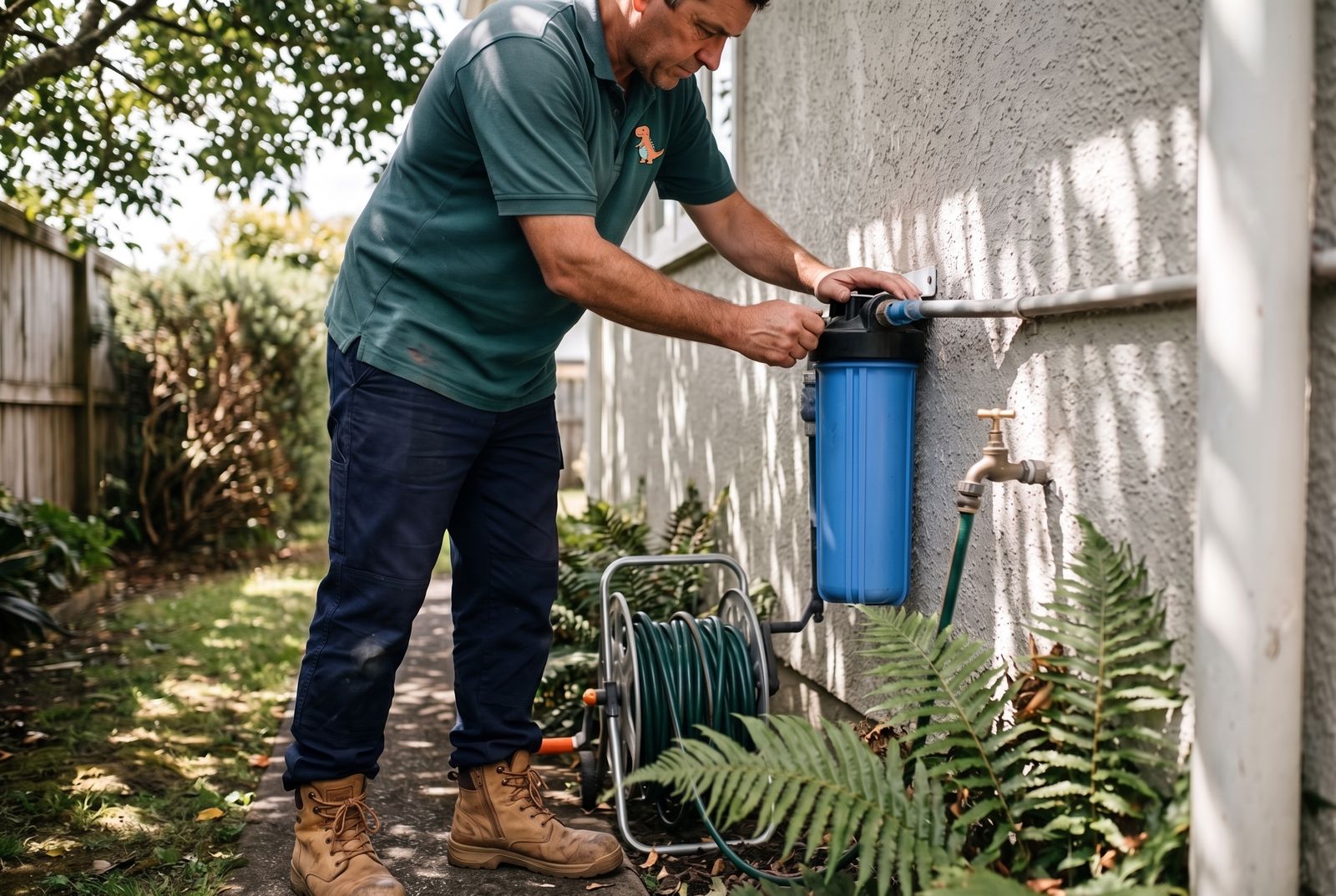
A typical drinking water setup for a bore is a sediment filter followed by an ultraviolet (UV) unit, with extra stages only if your test results call for them. UV kills bacteria and other microbes as water passes the lamp, and the sediment filter keeps the water clear enough for the UV light to work.
Order matters. Particles in the water can shade microbes from the UV lamp, so the sediment filter always goes first. If tests show iron, manganese or hardness, those may need their own treatment upstream, because staining and scale coat the UV sleeve and cut its effectiveness. A whole-house system treats every tap; a point-of-use unit treats only the kitchen.
UV is not set and forget. Lamps lose strength over time and the quartz sleeve needs cleaning, so follow the manufacturer's service intervals and keep spare cartridges on hand. A failed lamp gives no warning unless the unit has an alarm, which is worth paying for. Our team designs and fits a UV and filter system to match your test results rather than a one-size kit.
- Start with a full lab test so the system matches the water
- Sediment filter first, then any iron, manganese or hardness treatment, then UV
- Choose a UV unit with a lamp failure alarm
- Change filter cartridges and the UV lamp on schedule
- Retest after installation to confirm the system works
Treating bore or tank water?
Cheeky's Plumbers fits filters, UV units, pumps and backflow devices on lifestyle blocks across Selwyn and Waimakariri, matched to your water test.
How does a restricted rural supply and tank work?
A restricted supply delivers a small, steady flow rather than full mains pressure. On Waimakariri District Council's restricted supplies, water trickles through a restrictor into a tank on your property, and your own pump draws from that tank to supply the house.
The trickle runs day and night, so the tank acts as a buffer for peak use such as showers in the morning or the washing machine at the weekend. Size the tank for your household and plan for more if you water gardens or stock. Waimakariri District Council charges for tampering with the restrictor, so increasing flow means talking to the council.
Backflow is a real issue on these supplies. Waimakariri District Council requires backflow prevention at the boundary where the water is used for farming or other non-domestic purposes, so that stock troughs, chemical mixing or irrigation cannot draw contaminated water back into the public network. We install and test backflow prevention devices and handle the paperwork.
Banks Peninsula has restricted supplies too. Christchurch City Council says properties on the Birdlings Flat, Little River, Pigeon Bay and Wainui supplies need a private storage tank and are limited to 1,000 litres a day.
Why does my pump keep cycling on and off?
Rapid cycling usually means the pressure tank has lost its air charge, the pressure switch is faulty, or water is leaking somewhere in the system. Each causes the pump to start, build pressure quickly, stop, and start again as pressure falls away.
A pressure tank holds a cushion of air that lets the pump run for longer, steadier spells. When that air charge is lost, the tank fills with water and the pump short cycles, which wears out the motor and switch. A leaking pipe, a dripping tap or a faulty non-return valve on the suction side can do the same thing by bleeding pressure away when nobody is using water.
Listen for the pump starting at night when all taps are off. If it does, look for a leak first. If it cycles only during use, the pressure tank or switch is the likelier cause. A plumber can check the tank pressure, test the switch and repair or replace the bore pump before it burns out.
Do I need consent for a bore or a rainwater tank?
Drilling a bore, and taking water from it, falls under Environment Canterbury's rules, so check with ECan on 0800 324 636 before you drill or alter one. Building consent for tanks and pumps is a matter for your district council, Selwyn or Waimakariri, depending on the size and where the tank sits.
Some blocks use rainwater as well as, or instead of, a bore. A rainwater tank needs first-flush diverters and screens to keep roof debris out, and the same E. coli risk applies, from birds and animals on the roof. Treat roof water for drinking the same way as bore water: filter, then UV.
When should I call a plumber?
Call a plumber when a test comes back with E. coli and you need treatment fitted, when the pump is cycling, noisy or dead, when pressure drops at the taps, or when you are setting up a new block and want the tank, pump, filters and backflow sorted together.
Cheeky's Plumbers works on lifestyle blocks across Selwyn and Waimakariri, from Rolleston and Lincoln to Rangiora. We will read your lab results with you, explain what each stage of treatment does, and give you a fixed price before work starts.
Frequently Asked Questions
Can I chlorinate my own bore water?
Some owners do, especially after a contamination event, but dosing needs care and the right equipment. UV is the usual ongoing treatment for a household bore. Get specialist advice based on your test results before choosing either.
Who checks my bore water if I rent the property?
The owner is responsible for a private supply, including maintenance and testing. Tenants should ask the landlord for recent test results and how the treatment system is maintained.
Does boiling remove nitrate?
No. Boiling kills bacteria such as E. coli, but it does not remove nitrate and can concentrate it slightly as water evaporates. Nitrate needs a specific treatment such as reverse osmosis, chosen on specialist advice.
How do I protect the bore head?
Keep the bore head sealed and raised, keep stock and chemicals away from it, and make sure surface water drains away rather than pooling around it. A damaged cap or casing is a common way for contamination to get in.
Why does my water smell of rotten eggs?
A sulphur smell in bore water is often caused by hydrogen sulphide from the groundwater or bacteria in the system. It is a reason to test, and treatment depends on the cause.
Our Services
Water Filtration
Whole-house and under-sink filtration for cleaner, better-tasting water.
View service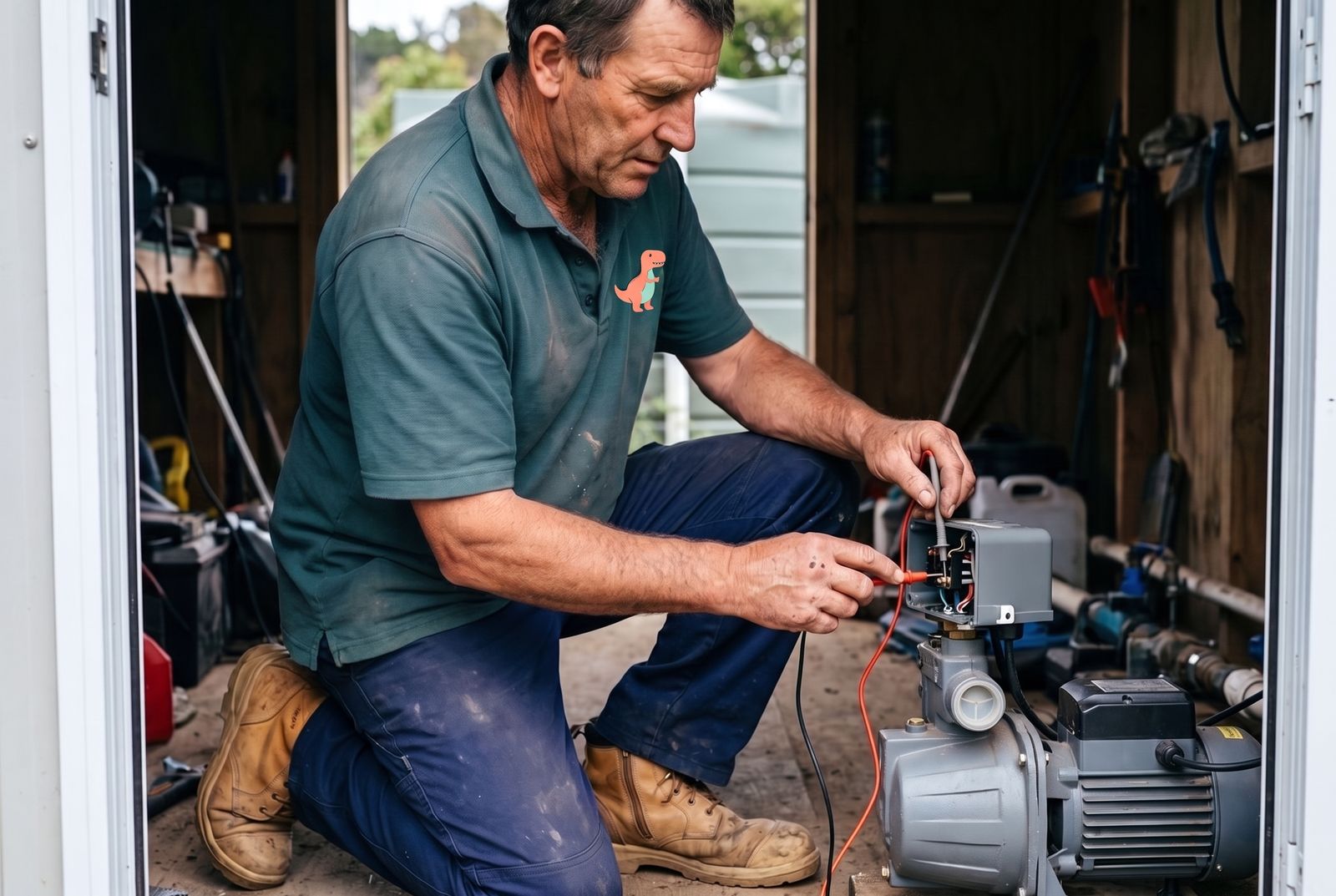
Water Pumps
Pressure pumps, tank pumps, bore pumps and sump pumps supplied, installed and repaired.
View service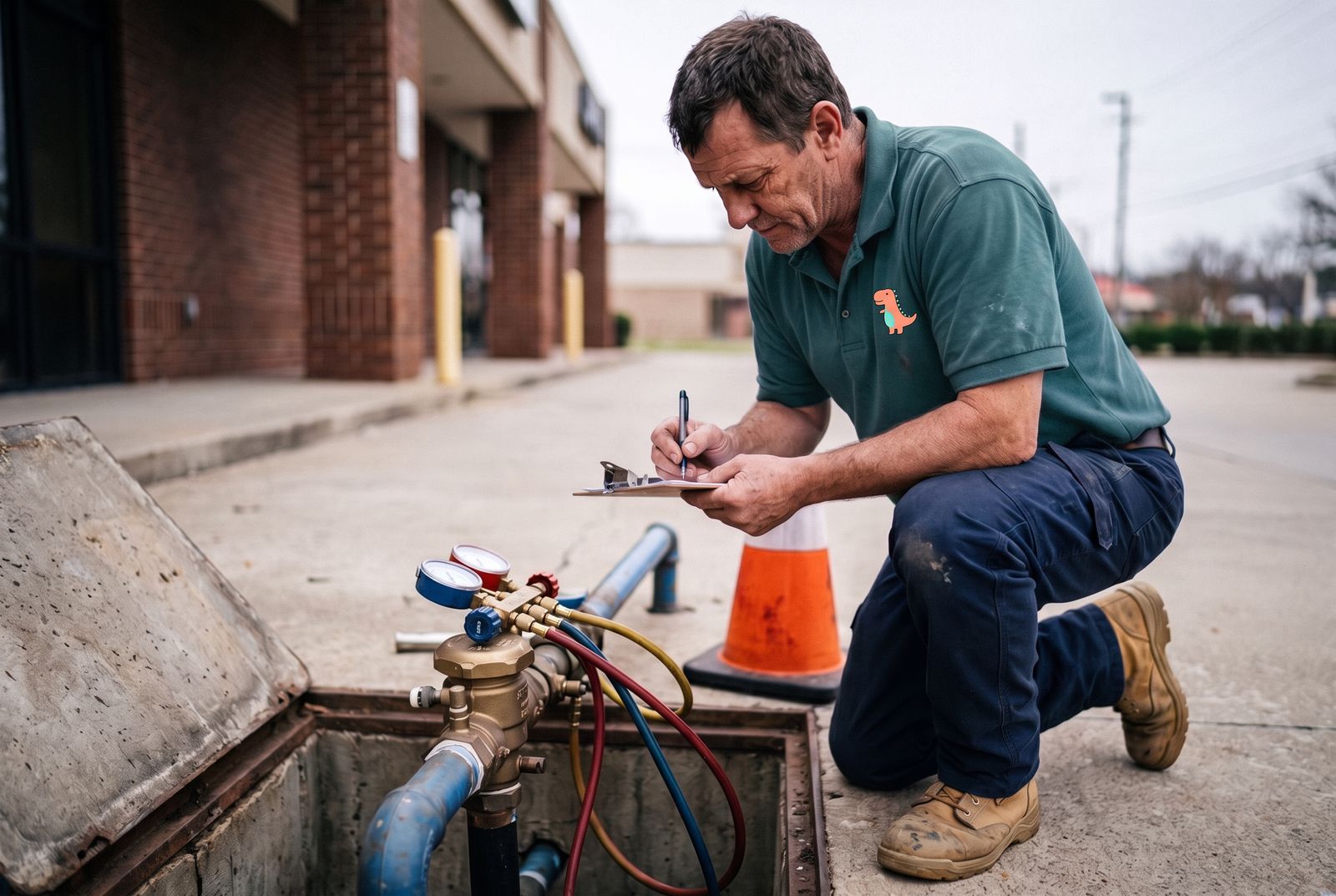
Backflow Testing
Christchurch City Council requires testable backflow prevention devices to be tested every year, or after repairs, by an Independent Qualified Person (IQP).
View serviceRead Next
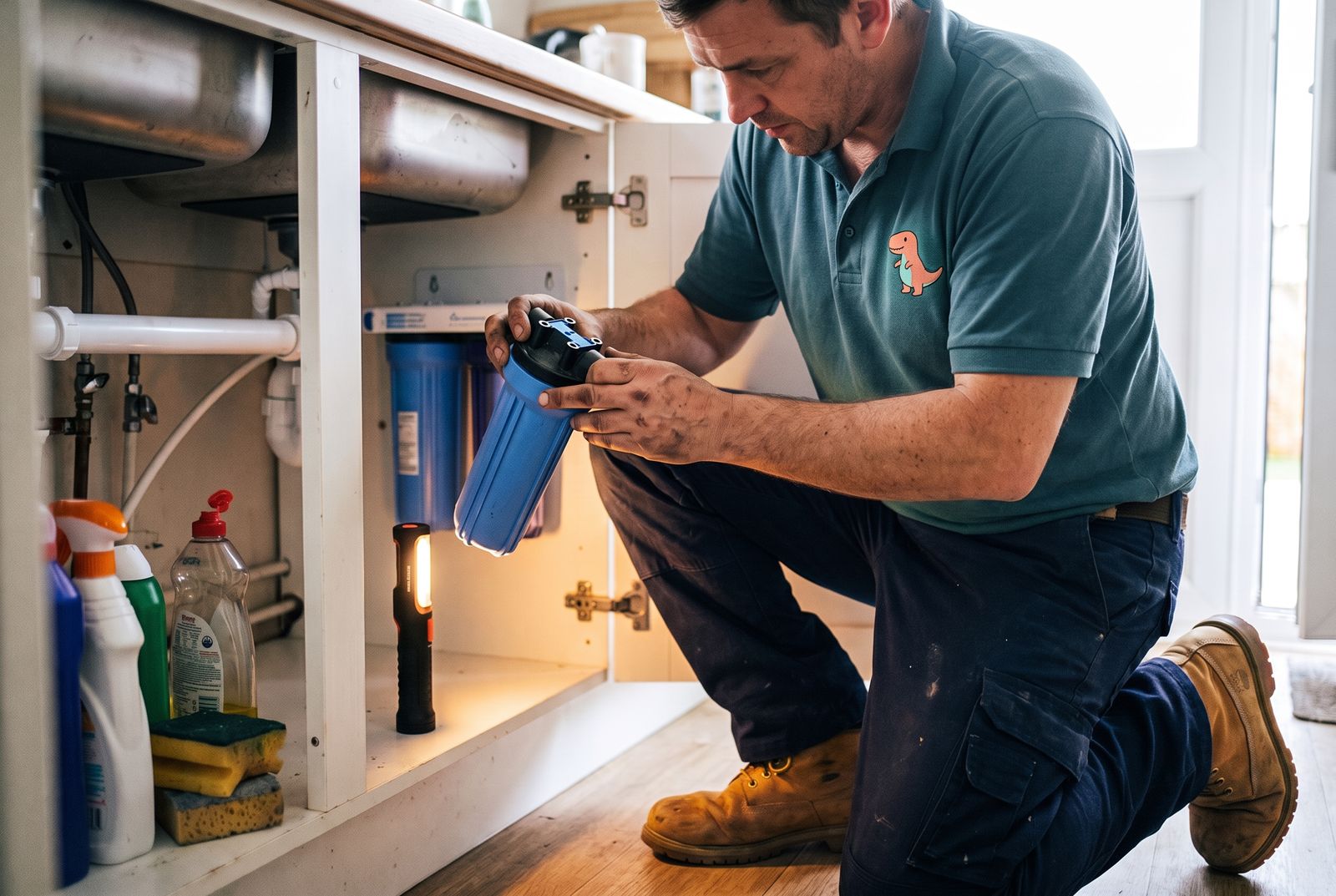
Is Christchurch Water Chlorinated? Filters for the Chlorine Taste
Yes. Christchurch City Council now adds chlorine in every water supply zone, and Selwyn and Waimakariri councils...
Read article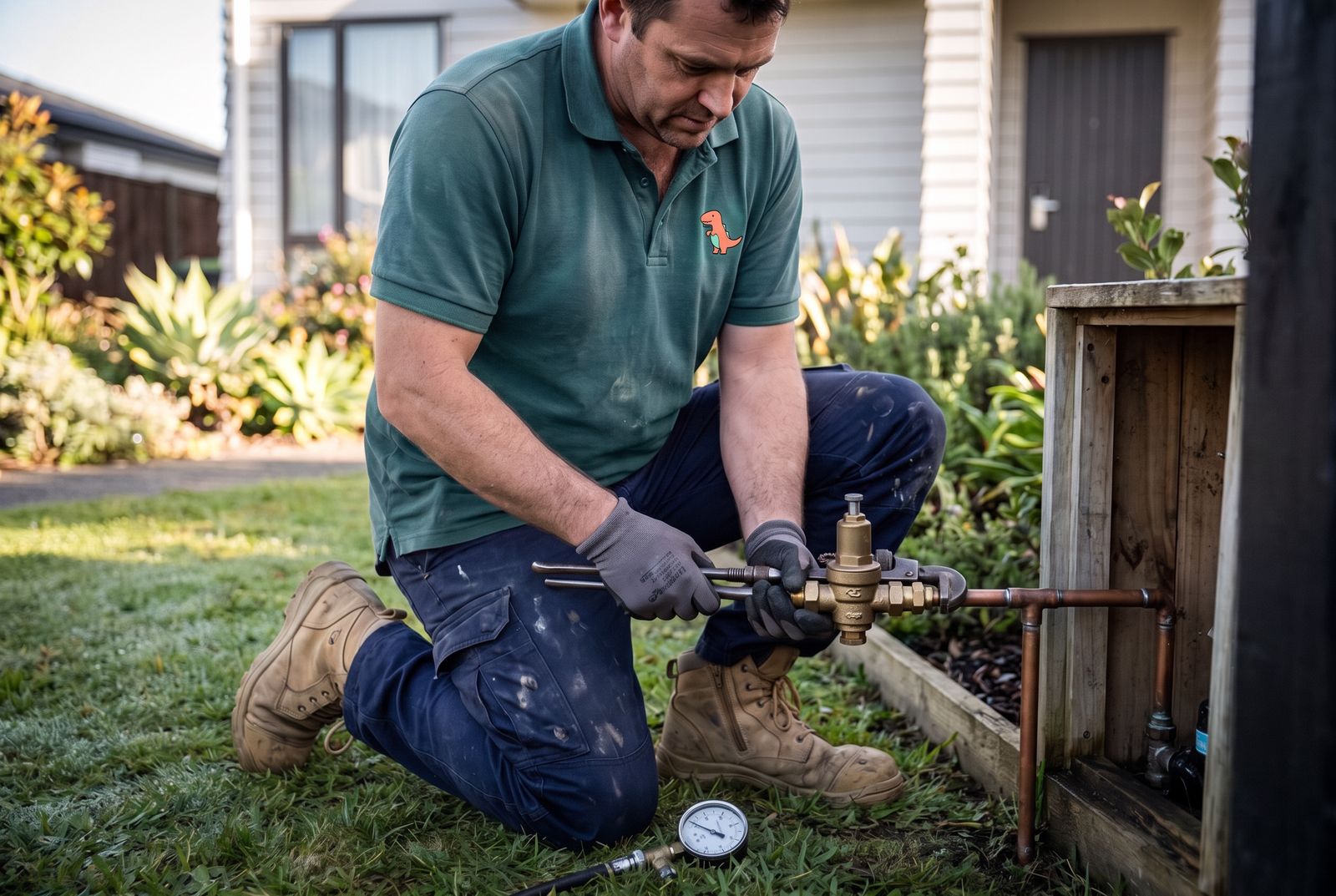
Toby, Meter and Boundary: Who Fixes Which Water Pipe in Christchurch?
In Christchurch the dividing line is your property boundary, not the toby. Christchurch City Council owns the pipe from...
Read article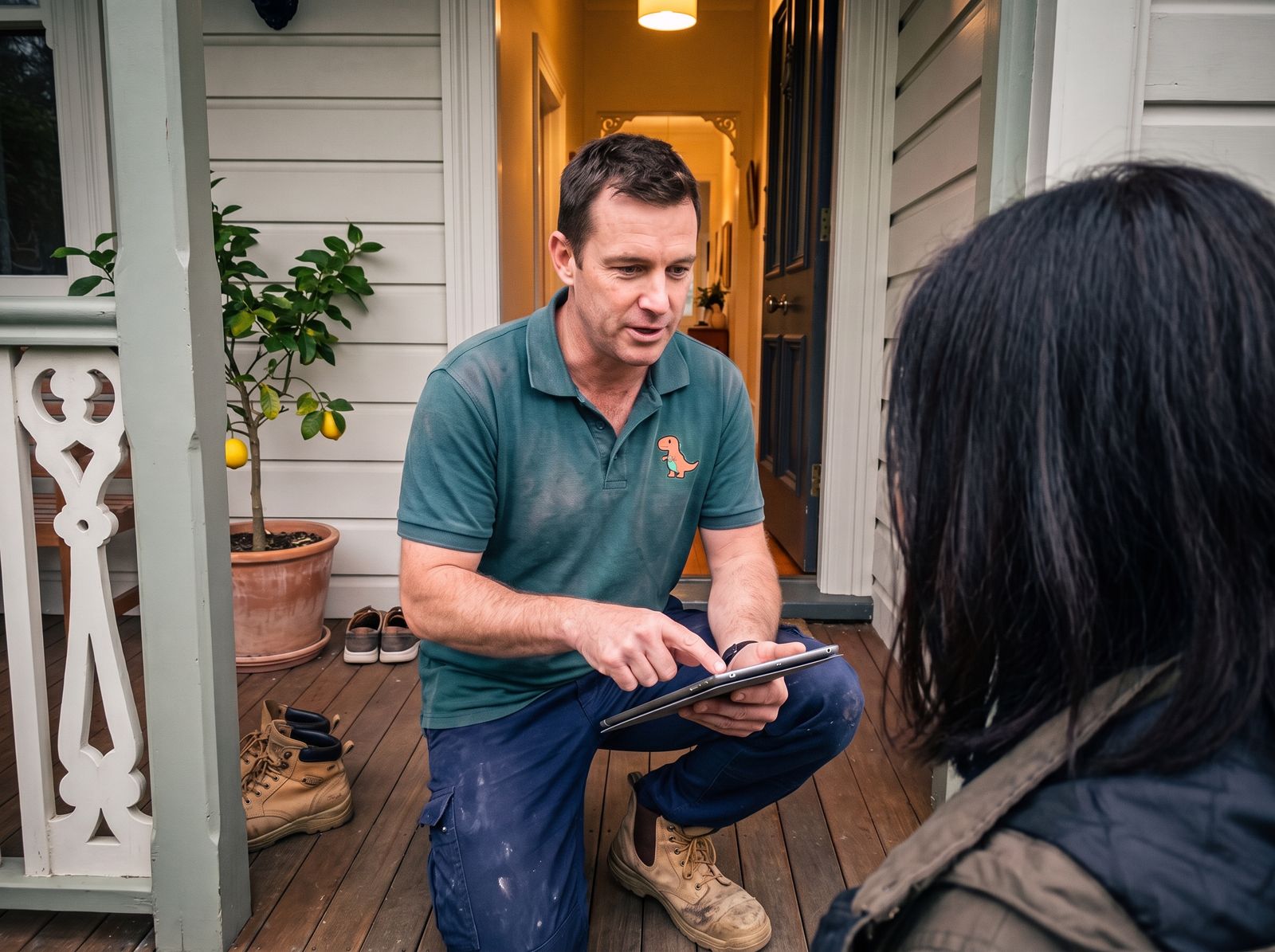
Pressure Sewer Pump Alarm Going Off? What to Do in Christchurch
A pressure sewer alarm means the wastewater level in your on-site tank has risen higher than it should, usually because...
Read articleSources
- Environment Canterbury: Is your well water safe to drink? Don't guess, test (2026)
- Environment Canterbury: E. coli and nitrate found in some Canterbury groundwater (2024)
- Waimakariri District Council: Living with a restricted water supply (PDF)
- Christchurch City Council: Where our water comes from
- Christchurch City Council: Water chlorination
More plumbing advice from the Cheeky's Plumbers team.
