Yes. Christchurch City Council now adds chlorine in every water supply zone, and Selwyn and Waimakariri councils chlorinate too. Most of the city is dosed at about 0.2 parts per million, and the council says the water is clean and safe to drink. If the taste bothers you, an activated carbon filter under the sink or on the incoming supply takes it out.
For many years Christchurch was known for drinking water pumped straight from deep aquifers with no treatment at all. That changed from 2018, and plenty of households who grew up with untreated water noticed the difference straight away.
This guide explains why the city started chlorinating, how much chlorine is used, and which filters actually remove the taste, from a jug in the fridge to a whole house system.
Is Christchurch water still chlorinated?
Yes, and in every zone. Christchurch City Council says chlorine has now been added to all of its water supply zones, because the Water Services Act requires residual disinfection unless a supply holds an exemption, and the council does not hold one.
The same is true outside the city. Selwyn District Council has chlorinated all of its supplies, which serve towns such as Rolleston and Lincoln. In Waimakariri, the council became legally required to chlorinate once Taumata Arowai declined its first exemption, and it was the last council in Canterbury to start. Woodend, Tuahiwi and Pegasus water is now both chlorinated and UV treated before it reaches homes.
So whether you live in Fendalton, Rolleston or Pegasus, the water from your kitchen tap carries a small, deliberate amount of chlorine.
Why did Christchurch start chlorinating its water?
Christchurch started chlorinating because its well heads failed a safety assessment after the 2016 Havelock North contamination. The city's water comes from 53 extraction sites drawing on confined aquifers up to 230 metres deep, and for many years it was supplied untreated.
After Havelock North, an independent assessment found the well heads did not meet standards, and the supply lost its provisionally secure status. Temporary chlorination of much of the city began in March 2018. Since then the council has upgraded most well heads, installed UV at six wells, closed a number of shallow wells and drilled ten new ones.
The council applied for exemptions so it could stop, but in November 2023 Taumata Arowai declined those first applications. Chlorine is now part of the supply rather than a temporary measure.
How much chlorine is in Christchurch tap water?
Most of the city is dosed at about 0.2 parts per million. Some pump stations that are still being upgraded run at 0.5 or 1 part per million, and the council notes that homes close to one of those stations will taste more chlorine at the tap than homes further along the network.
The council's position is that Christchurch tap water is clean and safe to drink, and that there are no known health effects from drinking chlorinated water. The taste is an aesthetic issue, not a safety one. The council also points out that the taste fades naturally over a few hours, so a jug of water left open in the fridge is the simplest free fix.
Want the chlorine taste gone?
Cheeky's Plumbers fits under-sink and whole house carbon filters, with isolating valves for easy cartridge changes and the price agreed first.
Which filters remove chlorine?
Activated carbon is the material that removes chlorine. Christchurch City Council says chlorine and any associated by-products can be removed with a granulated activated carbon filter, and Consumer NZ explains that carbon is porous, so its surface attracts and holds the chlorine.
Carbon comes in several formats. The right one depends on how much water you want treated and where.
| Filter type | Where it treats water | Good for | Watch for |
|---|---|---|---|
| Filter jug | One jug at a time | Renters and small households | Frequent cartridge changes |
| Bench or tap-mounted carbon filter | One tap | Trying filtration before committing | Slower flow, bench clutter |
| Under-sink carbon filter | A dedicated drinking tap or the kitchen mixer | Drinking and cooking water | Needs a plumber to fit, cartridge changes |
| Whole house carbon filter | Every tap and shower | Households who dislike chlorine everywhere | Higher cost, needs space at the supply pipe |
| Shower filter | One shower | Smell of chlorine in steam | Check it is certified for hot water |
Whole house or under-sink filter: which is better?
For most Christchurch homes an under-sink filter is the better buy, because the chlorine taste mainly matters in water you drink and cook with. It treats the kitchen water without slowing the rest of the house, and it is the format Consumer NZ notes may need a plumber or filter company to install.
A whole house system makes sense when the smell in showers and baths bothers you as much as the taste, or when you want every tap treated. Consumer NZ warns that whole house filters can cost thousands of dollars to install. Christchurch water is not especially hard, with the council's typical analysis showing total hardness of 45 grams per cubic metre, so a carbon system aimed at chlorine is usually enough without extra softening.
Whichever you choose, keep up with cartridge changes. Consumer NZ notes that old cartridges can harbour bacteria, because some water always remains in the carbon between uses. Filters can be added during other kitchen plumbing work so the pipework is only opened once.
Do shower filters remove chlorine?
Some do, but hot water makes the job harder, so check the product rather than the packaging. Carbon works best on cold water moving slowly through it, and a shower runs hot water through a small cartridge at full flow.
The American standard NSF/ANSI 177 was written for this exact situation. It tests shower filters for reduction of free available chlorine at elevated temperatures, along with material safety and durability. A shower filter certified to that standard has at least been tested in shower conditions. If you want chlorine out of every shower in the house, a whole house carbon system on the incoming supply does the job once for all of them.
When should you get a plumber to fit a filter?
Get a plumber for anything that connects to the pipework: under-sink units, dedicated filter taps and whole house systems. A whole house filter goes on the supply pipe, which is the owner's pipe from the boundary into the house, and it needs isolating valves so cartridges can be changed without draining the system.
Chlorine taste is a topic outside the city too. When Waimakariri started chlorinating, some residents told a 2024 water zone committee meeting that they had bought filters. Cheeky's Plumbers fits filters in town and out, so see our plumbers in Selwyn and Waimakariri, or plumbers in Central Christchurch for apartments and townhouses in the inner suburbs. You can also book online.
Frequently Asked Questions
Does boiling water remove chlorine?
Boiling drives off chlorine, and so does leaving water to stand in an open container for a few hours. Neither is practical for every glass of water, which is why many households prefer a carbon filter. Boiling does not remove anything a carbon filter would not.
Will a reverse osmosis system remove chlorine?
Reverse osmosis systems include carbon pre-filters, which take out chlorine before the membrane. They also strip most minerals and send some water to waste. For a chlorine taste on Christchurch water, a simpler carbon filter normally does the job without the extra plumbing.
Is chlorinated water safe for pets and fish?
Christchurch City Council says treated water is safe for household pets such as cats and dogs to drink. Fish are different, because chlorine harms them, so aquarium owners should use a water conditioner made for fish tanks or carbon filtered water.
How often do carbon filter cartridges need changing?
Follow the manufacturer's interval, which depends on the cartridge size and how much water passes through it. A cartridge that has reached its limit stops removing chlorine and can harbour bacteria, so mark the change date on the housing when you fit it.
Will a filter affect my water pressure?
A correctly sized filter has little effect on pressure. Undersized whole house units, and cartridges that are overdue for a change, slow the flow. If pressure drops after a filter goes in, check the cartridge first, then ask a plumber whether the housing suits your flow.
Our Services
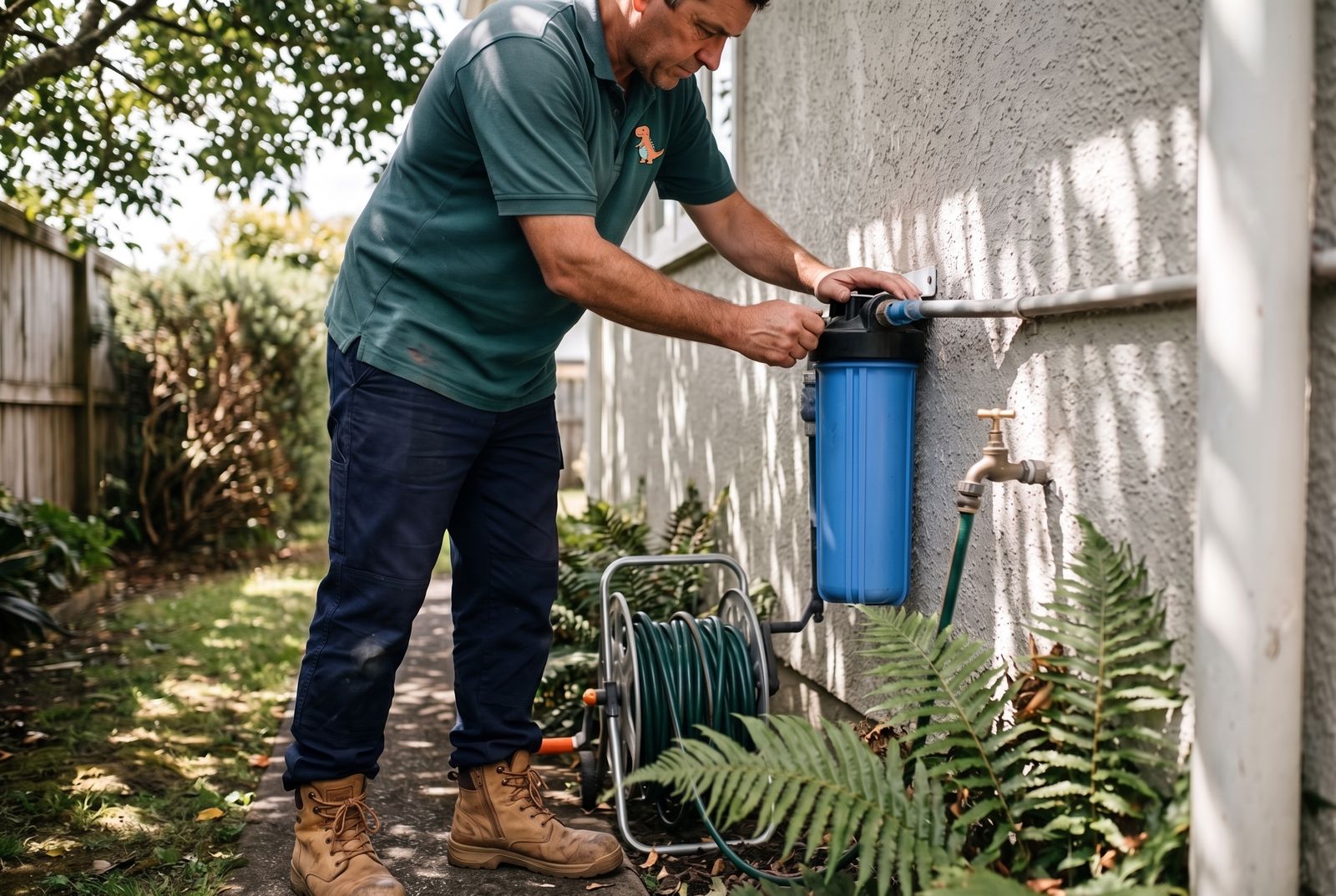
Water Filtration
Whole-house and under-sink filtration for cleaner, better-tasting water.
View service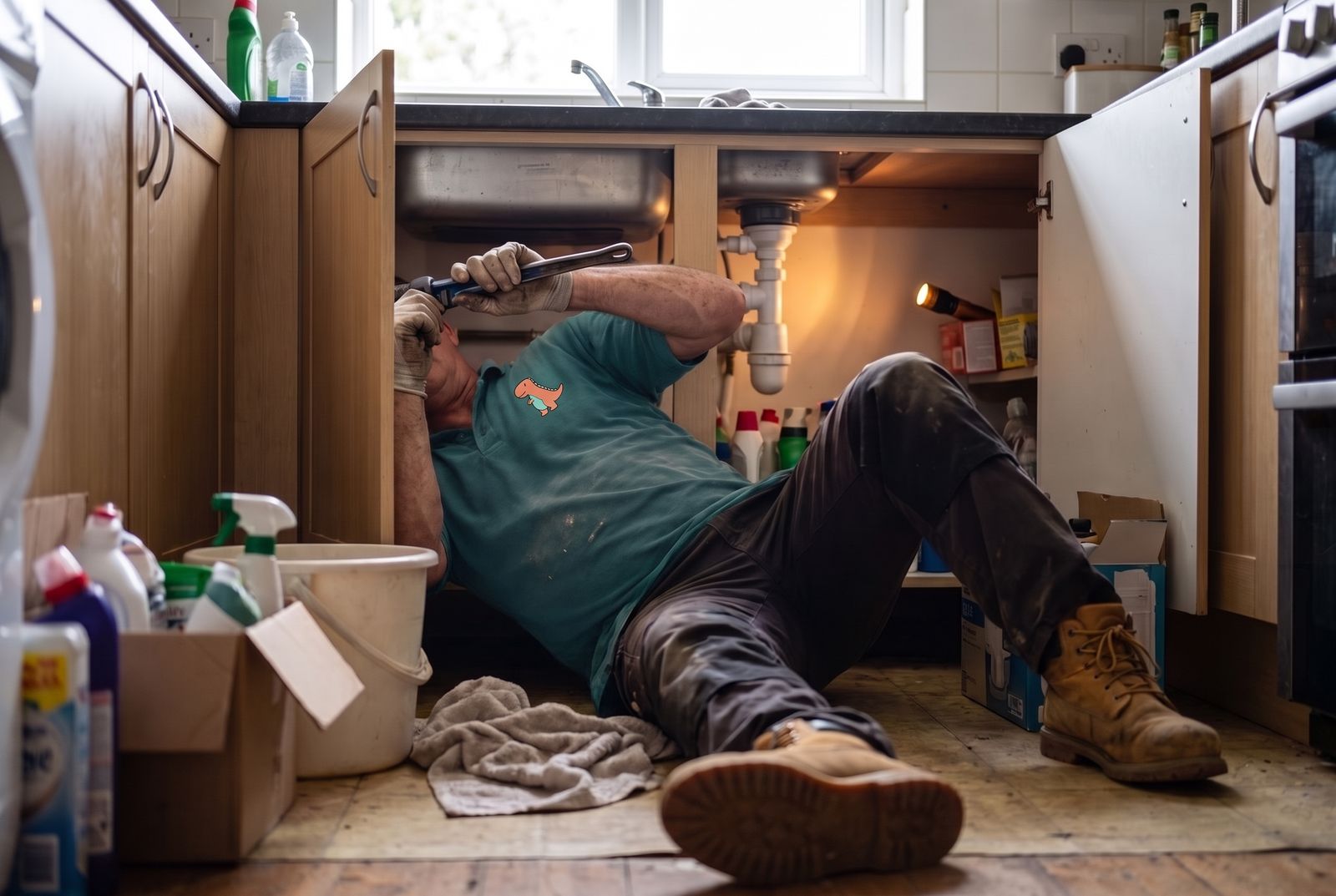
Kitchen Plumbing
Sinks, dishwashers, fridge water lines, filtered taps and instant boiling water taps installed and repaired.
View serviceRead Next
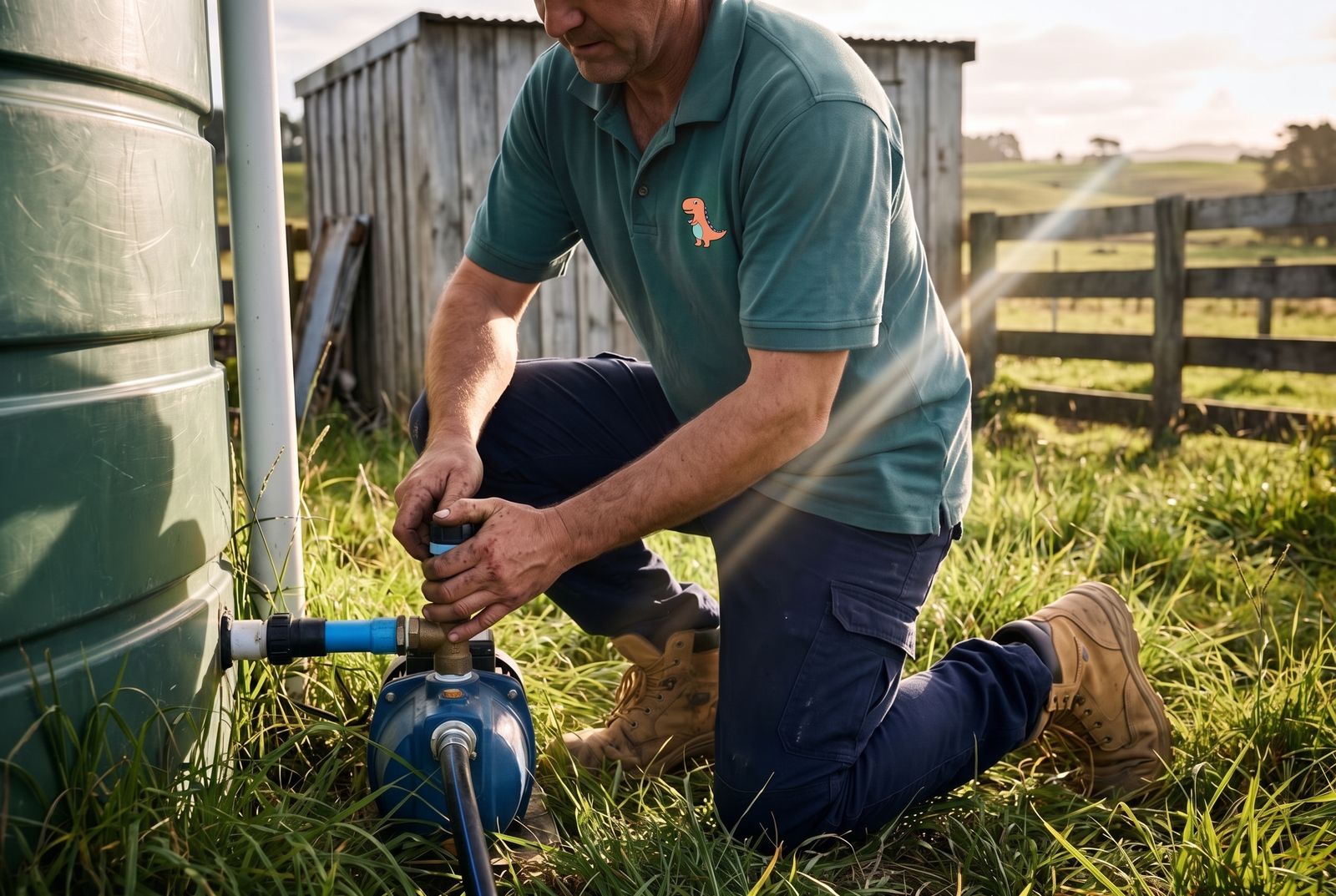
Bore Water on Selwyn and Waimakariri Blocks: Testing, UV and Tanks
Do not assume bore water is safe to drink just because it comes from underground. Environment Canterbury says private...
Read article
Best Hot Water System in Christchurch: Heat Pump, LPG or Electric?
There is no single best system. A heat pump water heater uses the least electricity, but works harder on frosty...
Read article
Toby, Meter and Boundary: Who Fixes Which Water Pipe in Christchurch?
In Christchurch the dividing line is your property boundary, not the toby. Christchurch City Council owns the pipe from...
Read articleSources
More plumbing advice from the Cheeky's Plumbers team.
